Sports massage isn’t a single technique so much as a toolkit — a combination of methods pulled together and applied specifically around an athlete’s training schedule and physical demands. Understanding what actually happens during a session, and why, makes it easier to get real value from it rather than treating it as just a firmer version of a standard massage. This guide breaks down the specific techniques involved, the benefits each one delivers, and how sports massage compares to other popular styles.
For a broader overview of pricing and where to book, see our main Sports Massage Bahrain guide.
What Is Sports Massage?
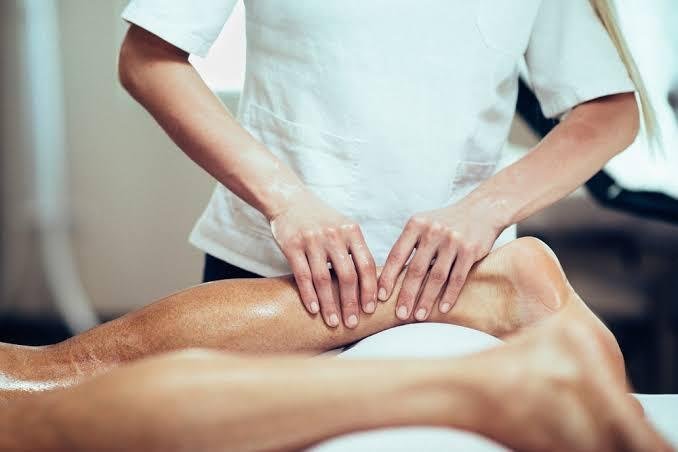
Sports massage combines deep tissue technique with stretching and targeted work on the muscle groups most engaged by a specific sport or training routine. It’s typically timed around activity — used to prepare muscles beforehand or accelerate recovery afterward — rather than delivered as a standalone relaxation treatment.
How Sports Massage Works
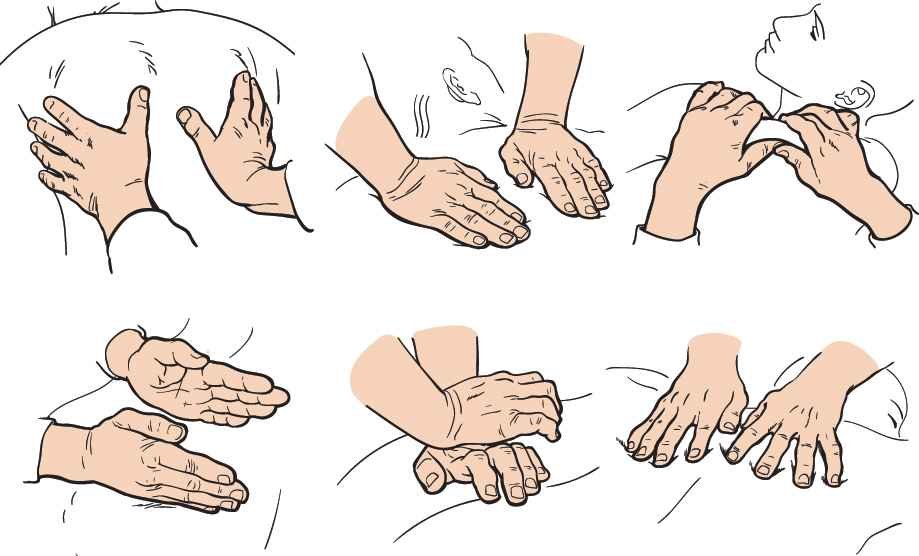
Soft Tissue Manipulation
The foundation of sports massage, using hands-on pressure and kneading to work through muscle tension and improve circulation in worked areas.
Trigger Point Therapy
Focused, sustained pressure applied to specific “knots” within a muscle to release localized tension that builds up from repetitive training.
Assisted Stretching
The therapist actively moves your limbs through a range of motion, helping release tightness that’s harder to reach through self-stretching alone.
Compression Techniques
Rhythmic pressure applied across a muscle group to stimulate blood flow, commonly used in pre-event sessions to prime muscles for activity.
Joint Mobilization
Gentle movement of joints through their natural range of motion, supporting mobility alongside the muscular work done elsewhere in the session.
Benefits of Sports Massage
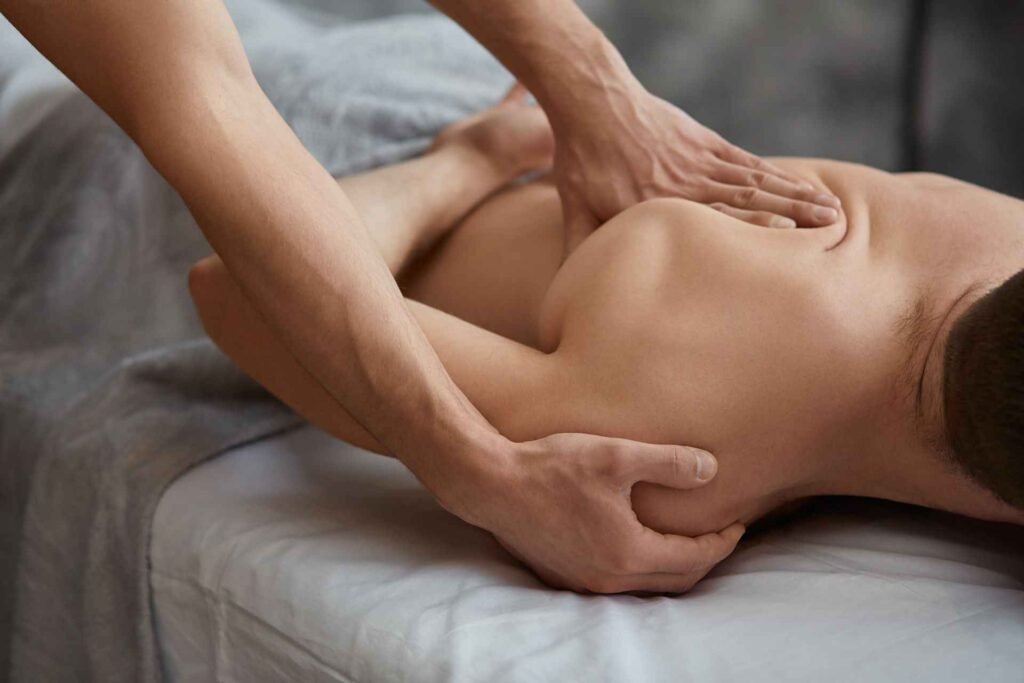
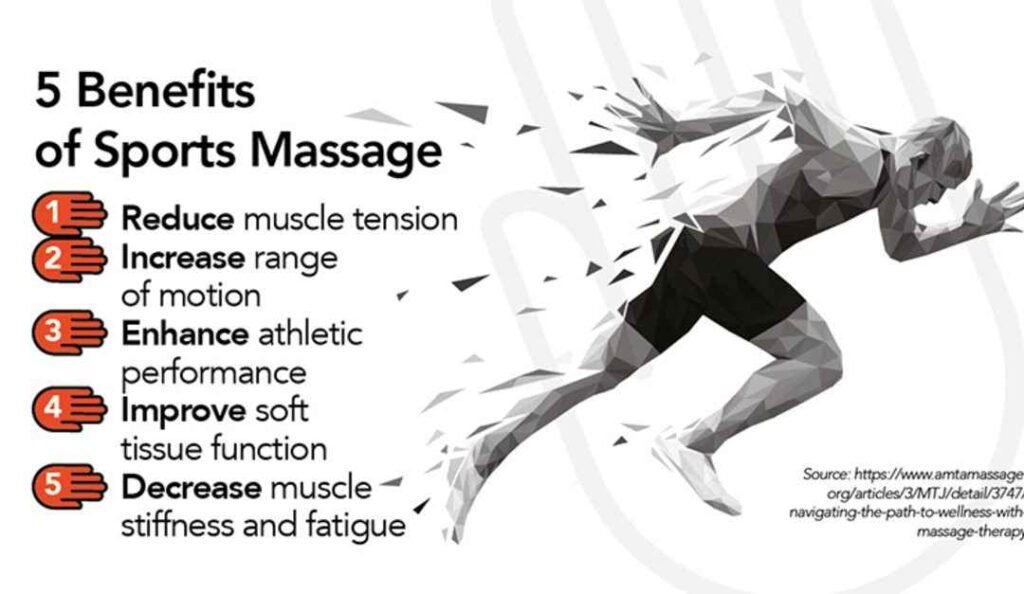
Improve Athletic Performance
Pre-event sessions help prime muscles and improve blood flow, supporting better movement quality during activity.
Speed Up Muscle Recovery
Post-training sessions help clear metabolic waste from worked muscles, shortening the recovery window before your next session.
Reduce Muscle Soreness
Regular sports massage can meaningfully reduce the intensity and duration of delayed-onset muscle soreness after intense training.
Prevent Sports Injuries
Working through the repetitive strain that builds up from consistent training helps reduce the likelihood of overuse injuries over time.
Increase Flexibility
The assisted stretching component supports a fuller range of motion alongside the muscle relief itself.
Improve Blood Circulation
Compression and soft tissue techniques both stimulate blood flow, helping deliver oxygen and nutrients to worked muscle tissue.
Who Should Try Sports Massage?
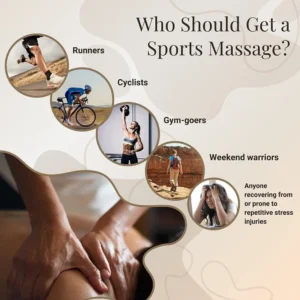
Professional Athletes
Structured around training and competition cycles, sports massage is a core part of many athletes’ regular recovery routines.
Gym-Goers
Anyone training consistently, even recreationally, can benefit from the recovery and mobility support sports massage provides.
Runners and Cyclists
Repetitive, high-mileage activities put consistent strain on specific muscle groups — exactly what sports massage is designed to address.
Office Workers
Active office workers who train outside of work hours often carry both desk-related tension and activity-specific tightness, both of which sports massage can help manage.
Business Travelers
A home or in-room massage service fits sports massage into a packed travel schedule for those maintaining a training routine on the road.
Active Individuals
Anyone doing significant physical activity — hiking, sport, or general fitness — can benefit from a session to manage resulting muscle fatigue.
Types of Sports Massage
Pre-Event Sports Massage
A shorter, more stimulating session designed to prime muscles and increase blood flow before activity, typically lighter than a full deep tissue treatment.
Post-Event Sports Massage
Focused on recovery, using techniques to help clear metabolic waste and reduce soreness after intense activity or competition.
Maintenance Sports Massage
A regular, ongoing session that isn’t tied to a specific event — used to manage training load and prevent tension from building up between competitions.
Rehabilitation Sports Massage
Focused on recovery from a specific injury or strain, generally best coordinated with guidance from a physiotherapist or doctor for significant injuries.
Sports Massage vs Other Massage Techniques
Deep Tissue Massage
Sports massage overlaps significantly with deep tissue but is specifically structured around training cycles, while deep tissue addresses general chronic tension regardless of activity level. See our Deep Tissue Massage Bahrain guide for more detail.
Swedish Massage
Swedish focuses on relaxation through lighter, flowing strokes, while sports massage is firmer and specifically targeted at activity-related muscle groups. See our Swedish Massage Bahrain guide.
Thai Massage
Thai massage shares the stretching component with sports massage but is performed fully clothed and isn’t specifically structured around training cycles. More in our Thai Massage Bahrain guide.
Hot Stone Massage
Hot stone uses heat to help muscles release faster, offering a gentler alternative to the firmer, more targeted pressure typical of sports massage. See our Hot Stone Massage Bahrain guide.
Is Sports Massage Painful?
It can feel intense, particularly in heavily worked muscle groups or areas carrying significant tension, but it shouldn’t be sharply painful. Pressure is always adjustable based on your comfort level, and a skilled therapist will check in throughout the session rather than applying uniform intensity regardless of feedback. Some soreness afterward, similar to post-workout fatigue, is normal and typically settles within a day.
How Often Should You Get a Sports Massage?
This depends entirely on your training intensity. Athletes in heavy training blocks or preparing for competition often benefit from sessions every one to two weeks, timed around key training days. For general fitness routines, a maintenance session every few weeks is usually enough to manage tension before it builds into something more significant.
Tips for Getting the Best Results
Stay Hydrated
Drinking water before and after a session helps your body process the effects of the massage, particularly following intense training.
Schedule Massage Around Training
Timing sessions appropriately — lighter work before activity, deeper recovery-focused work afterward — gets the most benefit from each type of session.
Communicate with Your Therapist
Let your therapist know about your specific training routine, problem areas, and whether the session is meant for pre- or post-event purposes.
Allow Recovery Time
Avoid particularly intense training immediately after a sports massage, especially following a first session, to give your body time to fully respond.
Frequently Asked Questions
What are the benefits of sports massage?
Improved performance, faster recovery, reduced soreness, injury prevention, and better flexibility and circulation.
Is sports massage only for athletes?
No, anyone training regularly — even recreationally — can benefit from the recovery and mobility support it provides.
Is sports massage painful?
It can feel intense in heavily worked muscle groups but shouldn’t be sharply painful — pressure is always adjustable based on comfort.
How often should I get a sports massage?
Every one to two weeks during heavy training, less frequently for general maintenance.
Can sports massage help prevent injuries?
Yes, regularly working through repetitive strain helps reduce the likelihood of overuse injuries over time.
Is sports massage good after a workout?
Yes, post-event sessions are specifically structured to speed recovery and reduce soreness after training.
How long does a sports massage session last?
Sessions commonly run 30, 60, 90, or 120 minutes depending on the treatment purpose and how much recovery is needed.
What should I do after a sports massage?
Stay hydrated, allow adequate recovery time, and avoid particularly intense training immediately afterward.
Can beginners benefit from sports massage?
Yes, though starting with a shorter session is a comfortable way to gauge your response to the technique.
Where can I book sports massage in Bahrain?
Visit Lotus Massage Bahrain to book directly.
Final Thoughts
Sports massage delivers the most value when it’s treated as an ongoing part of a training routine rather than a one-off treatment — timed appropriately around activity and adjusted to your current training load. Whichever technique combination your session uses, communicating your goals clearly helps the therapist tailor the work to what your body actually needs. For pricing details and comparisons, see our Sports Massage vs Thai Massage and Sports Massage FAQ guides. Ready to book? Visit Lotus Massage Bahrain.
Lotus Massage Bahrain
Whatsapp: +97334095899
Website: https://massagebahrain.xyz/
Address: Road Number 2426, Manama 340, Bahrain