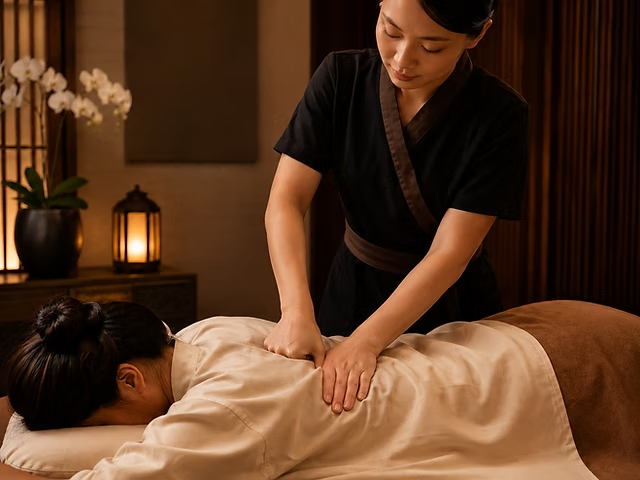
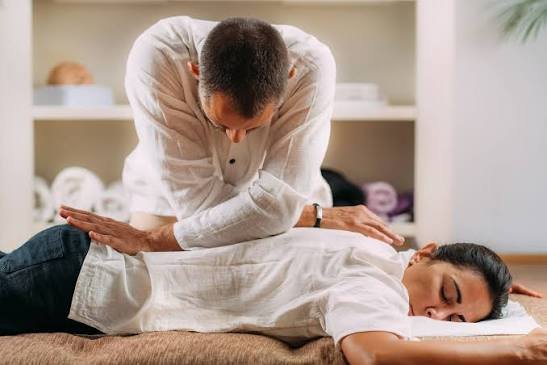
Picture a session with no oil, no table, and no sliding strokes: you lie on a padded mat in comfortable clothing while the therapist works with steady, rhythmic pressure and gentle stretches. That is Shiatsu, a Japanese style of bodywork that feels quite different from the oil massages most visitors to Bahrain expect. This guide introduces the technique and how to book it in Juffair. It is wellness information, not medical advice.
What Is Shiatsu Massage?
The Japanese origins of Shiatsu
The word Shiatsu means “finger pressure” in Japanese, and the practice developed in Japan in the early twentieth century, drawing on older traditional hands-on methods. Today it is offered by therapists around the world as a pressure-based form of wellness bodywork. If you enjoy the idea of Japanese and wider Asian techniques, our Thai massage service is another style that combines pressure with stretching.
The basic principles behind Shiatsu
Traditional Shiatsu is described in terms of energy pathways in the body, and practitioners apply pressure along these lines in a set order. This framework comes from traditional Eastern thinking rather than from modern medicine, and scientific evidence for specific health outcomes is limited. Most people simply approach it as a structured, focused way to relax.
How pressure is applied during a session
The therapist uses steady, sustained pressure that is held for a few seconds and then released, rather than quick rubbing motions. Pressure is built up gradually and follows a sequence across the body. It is firm but should never feel sharp or painful.
How Shiatsu differs from oil-based massage
Shiatsu is usually performed without oil, so there is no gliding across the skin. Our traditional oil massage is built around flowing strokes and warm oil, while Shiatsu relies on pressing, holding, and stretching. If you dislike the feel of oil on your skin, this difference alone may decide it for you.
How Does a Shiatsu Massage Work?
Pressure, stretching, and rhythmic movements
A session combines held pressure, gentle stretches, and slow rhythmic movements such as rocking or leaning into a point. The therapist often uses body weight rather than muscle strength, which keeps the pressure steady and comfortable. The pace is typically calm and deliberate.
Using hands, thumbs, and other parts of the body
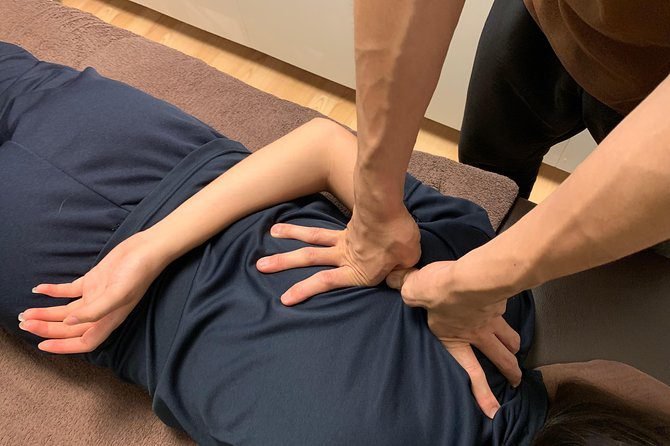
Thumbs and palms do most of the work, and some therapists also use forearms, elbows, or knees on larger areas such as the back and thighs. Because the pressure comes from leaning rather than pushing, it can feel firm without being jarring. Tell the therapist if you would prefer hands only.
Common areas addressed during a session
Sessions commonly include the back, shoulders, neck, arms, hands, legs, and feet, and some therapists also work on the head and face. Many people choose a full-body format, while others book a shorter session focused on the back and shoulders. Tell the therapist about any area you would like extra time on or skipped entirely.
Why communication about pressure matters
Shiatsu can feel intense if pressure is applied faster than your body is ready for. Speaking up lets the therapist adjust depth, speed, and stretch from the start. Good communication keeps the session in the range of “firm but comfortable”.
What Does a Shiatsu Session Feel Like?
The experience of firm, targeted pressure
Expect sustained, localized pressure that can feel deep and slightly intense, followed by a feeling of release as the pressure lifts. Many people describe it as focused and grounding. It is a more structured sensation than the flowing strokes of an oil massage.
Gentle stretching and assisted movement
Between pressure points, the therapist may move your arms, legs, and shoulders through gentle stretches. These are assisted movements, so you stay relaxed while they guide the motion. Stretching should feel comfortable and never forced.
How the experience differs from relaxation massage
A Swedish relaxation massage is flowing, oiled, and often performed on a table, while Shiatsu is typically performed on a mat with clothing on and uses held pressure. Both can be calming, but Shiatsu feels more structured and less like being stroked. Some people find it energizing rather than sleepy.
Adjusting pressure to your comfort level
You can ask for lighter or firmer pressure at any time, and a professional therapist will respond right away. Shiatsu is not about enduring discomfort, so there is no reason to “tough it out”. A comfortable level of pressure usually makes for a better session.
Shiatsu vs. Other Massage Styles
Shiatsu vs. traditional oil massage
Shiatsu uses held pressure and stretching without oil, while a traditional oil massage uses warm oil and flowing strokes. Choose oil massage if you want a soft, soothing, skin-level experience, and Shiatsu if you prefer something more structured and pressure-based.
Shiatsu vs. deep tissue massage
Deep tissue massage uses oil and slow, firm strokes to work specific muscle areas, while Shiatsu applies pressure in a sequence across the body, with stretching. Deep tissue is usually a better match for a stubborn tight spot, whereas Shiatsu offers a broader, rhythmic, whole-body feel.
Shiatsu vs. Thai massage
Both are done on a mat in comfortable clothing and both use pressure and stretching. Thai massage tends to involve more dynamic, yoga-like stretching and larger assisted movements, while Shiatsu is generally calmer and focuses more on held pressure. If you want more stretching, Thai massage is the closer fit.
Choosing based on the type of massage experience you prefer
Decide first whether you want oil or no oil, flowing strokes or held pressure, and a quiet session or a stretchy one. If you are unsure, tell the team what you enjoy and what you dislike and ask for a recommendation. A short conversation usually settles it.
Who May Be Interested in Shiatsu Massage?
People looking for a structured pressure-based massage
If you like firm, purposeful pressure delivered in a clear sequence, Shiatsu may appeal to you. It suits people who enjoy feeling that every area of the body is addressed in an orderly way. It is also popular with people who find purely light massage too faint.
Visitors who prefer a non-oil massage experience
Because it is usually done clothed and without oil, Shiatsu is convenient if you do not want to shower afterwards or return to work straight away. It is also a useful option for anyone who dislikes oil on their skin or has a sensitivity to oils. Ask the team to confirm what you should wear.
People comparing Japanese and Western massage styles
Western styles such as Swedish and deep tissue focus on muscles and use oil, while Shiatsu works through pressure and stretching along defined pathways. Neither is “better”, they are simply different experiences. Our Bahrain massage and spa price hub lists the main styles side by side.
When professional medical advice should come first
Speak to a doctor before booking if you are pregnant, have a heart condition, a blood clotting disorder, osteoporosis, a recent injury or surgery, or any medical condition that pressure or stretching could affect. Shiatsu here is a wellness massage and is not a treatment for any condition.
Shiatsu Massage in Juffair, Bahrain
Finding Shiatsu massage near Juffair hotels and residences
Juffair is full of hotels, serviced apartments, and residential towers, so a session is usually only a short trip away for people staying or living nearby. Our massage in Juffair guide explains what to look for in the area. A short journey also helps you stay relaxed afterwards.
Booking around work and travel schedules
An early evening slot suits most working days, and a mid-afternoon session works well on a day of meetings or flights. Because Shiatsu can feel stimulating for some people, you may prefer not to book it right before bed. Share your schedule when you book so the team can suggest a time and duration.
Choosing between an in-center and in-room experience
You can visit the Juffair center or arrange a home or in-room massage at your hotel or residence. Shiatsu works well in-room as it only needs a bit of floor space for a mat, though the therapist will explain the setup. The center suits those who prefer a dedicated treatment room.
What to check before booking a Shiatsu session
Ask whether the therapist has experience with Shiatsu, whether the session is done on a mat or table, and what clothing is recommended. Confirm the treatment name, duration, and total price. Avoid providers who promise medical results.
Shiatsu Massage Price & Booking in Bahrain
What can affect Shiatsu massage pricing
Session length, therapist experience, treatment area, and whether it takes place in the center or in-room all influence the price. Some public booking listings in Bahrain show Shiatsu from around BHD 10, but duration, provider, and setting vary. For a full breakdown, see our Shiatsu massage price guide.
Session duration and treatment format
Sessions typically run from 30 to 90 minutes, with 60 minutes the most common choice. A 30-minute booking suits a focused back-and-shoulder session, while 60 to 90 minutes allows a fuller sequence across the body. Ask whether the price covers hands-on time only or the whole appointment.
How to confirm the current Lotus Massage price
Contact Lotus Massage Bahrain by phone or WhatsApp and ask for the current price for your chosen duration and format, in writing. Prices can change through the year, so a recent quote is more reliable than an older figure.
Same-day and advance booking options
Same-day sessions are sometimes possible depending on therapist availability, but booking ahead is wiser for evenings, weekends, longer sessions, and in-room visits. Mention your preferred date and time when you message the team and they will confirm what is open.
Preparing for Your First Shiatsu Massage
What to tell the practitioner before the session
Mention any injuries, sore areas, medical conditions, medication, pregnancy, or recent surgery. Tell the therapist what you hope to get from the session, whether that is relaxation, a more energising feel, or focus on a specific area. This helps tailor pressure and stretching.
Clothing and treatment setup
Shiatsu is typically done fully clothed, so wear loose, comfortable clothing such as a t-shirt and soft trousers, and avoid stiff fabrics or belts. The therapist usually works on a padded mat on the floor, though setups can vary. Ask the team in advance if you have any preference.
Discussing pressure preferences
Say whether you like firm or lighter pressure and how you feel about stretching. If you are new to Shiatsu, ask the therapist to start lightly and build up. You can change the request at any point during the session.
Questions to ask before the massage begins
Useful questions include how the session will be structured, whether any stretching is involved, how pressure will be adjusted, and how long the hands-on time lasts. Asking up front helps avoid surprises. Our Shiatsu massage FAQ answers more practical questions.
What to Expect During and After Shiatsu
The typical flow of a Shiatsu session
A session usually begins with a short conversation, followed by pressure work on the back or legs, then the arms, shoulders, and neck, with stretches woven in. The therapist often works in a set sequence and changes position as they go. Many sessions end with a gentle, slower finish.
How pressure and stretching may change throughout the treatment
Pressure usually builds gradually, with firmer holds in the middle and softer work at the end. Stretching is introduced once the body feels relaxed. If anything feels too intense at any stage, tell the therapist and it can be adjusted.
How you may feel immediately afterward
Many people feel calm, loose, and a little lighter, while some feel more alert. A little tenderness in pressed areas is possible, particularly after a firmer session. Drink water and take it easy for the rest of the evening. You can read more about what people look for in our Shiatsu benefits and techniques guide.
When to discuss concerns with a healthcare professional
If you feel sharp pain during the session, or notice lasting soreness, bruising, dizziness, or anything unusual afterwards, speak to a healthcare professional. Shiatsu is a wellness massage and does not replace medical assessment or treatment.
FAQ About Shiatsu Massage in Bahrain
What is Shiatsu massage?
It is a Japanese style of bodywork that uses held finger, palm, and body-weight pressure along with gentle stretching, usually without oil.
Is Shiatsu massage painful?
It should not be. Pressure can feel firm and deep, but it should never be sharp. Tell your therapist if you feel discomfort and they will adjust.
Does Shiatsu use massage oil?
Typically no. It is usually performed without oil, over clothing, which sets it apart from oil-based styles.
What should I wear for Shiatsu?
Loose, comfortable clothing that lets you move and stretch, such as a t-shirt and soft trousers. Avoid stiff fabrics, belts, and anything restrictive.
How long does a Shiatsu massage take?
Commonly 30 to 90 minutes, with 60 minutes the most popular option.
Is Shiatsu suitable for beginners?
Yes, provided you tell the therapist it is your first time and ask them to start with lighter pressure. If you have a health condition, check with your doctor first.
How often can I have a Shiatsu massage?
There is no single right schedule. Some people book occasionally and others regularly, so ask your therapist, and your doctor if you have a health condition.
Can I book Shiatsu massage in Juffair?
Yes. Contact Lotus Massage to confirm availability, your preferred time, and whether you want a center visit or an in-room session.
Curious to try something different from an oil massage? Lotus Massage Bahrain can help you plan a Shiatsu session in Juffair or at your accommodation. Book your session today with your preferred date and duration.