Hijama has a long traditional history, and many people in Bahrain are curious about what it may offer and how a session actually feels. This guide covers the potential benefits, the sensations, the aftercare, and how to choose a provider, without making medical promises. For an overview of the service itself, see our cupping therapy (Hijama) in Bahrain guide. This article is general information and not medical advice.
What Are the Potential Benefits of Hijama?
Why people use cupping as part of a wellness routine
Many people use cupping occasionally as part of a broader self-care routine alongside massage, stretching, and rest. Some choose it for the feeling of release in the back and shoulders after long days of work or travel. It is best understood as a supportive wellness practice, not a treatment for any medical condition.
Relaxation and the overall treatment experience
Part of the appeal is the quiet, focused setting and the unusual sensation of suction on tight areas. Some people find the session calming, much as they would after a Swedish massage. How relaxing it feels depends on the person, the practitioner, and the type of cupping.
Traditional uses of Hijama
Hijama has been practiced for centuries in Arab and Muslim communities, where it holds cultural and religious significance. It has traditionally been used for general wellbeing and for easing aches. Traditional use is not the same as proven medical benefit, so it helps to keep the two apart.
Why individual experiences can vary
Scientific research on cupping is mixed and limited, and results differ widely between individuals. Factors include the type of cupping, the practitioner’s technique, your health, and your expectations. For that reason, no provider should guarantee specific outcomes.
How Hijama May Feel During a Session
The sensation of suction
Most people describe a pulling or tightening feeling where the cup sits on the skin. It is usually felt as pressure rather than sharp pain, though strength varies with how much suction is used. Tell the practitioner if it feels too strong.
What to expect when cups are applied
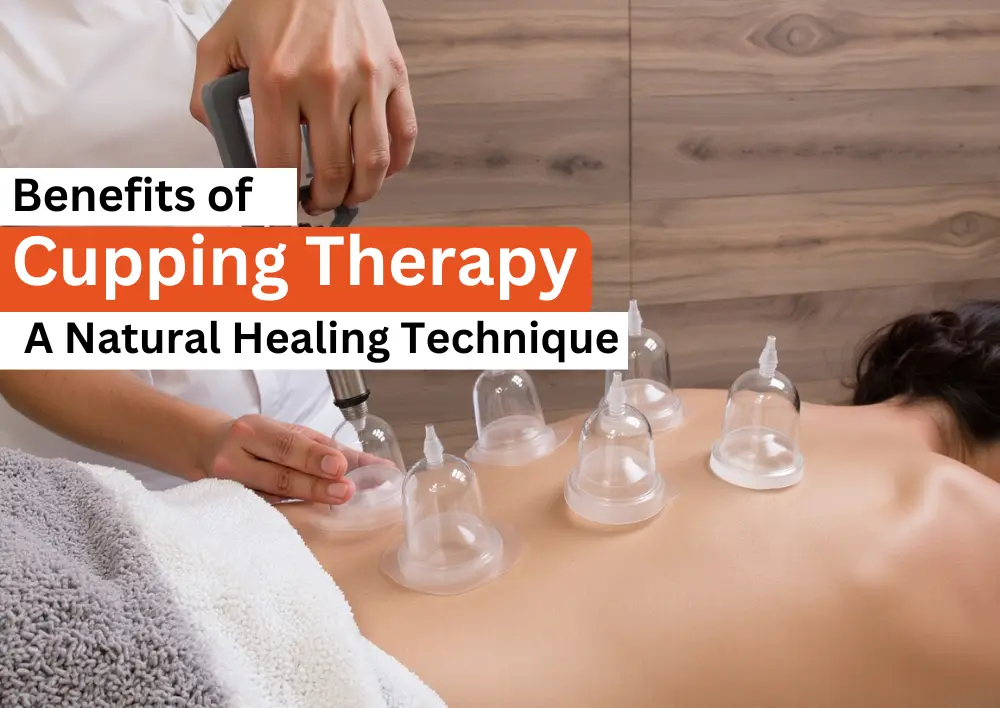
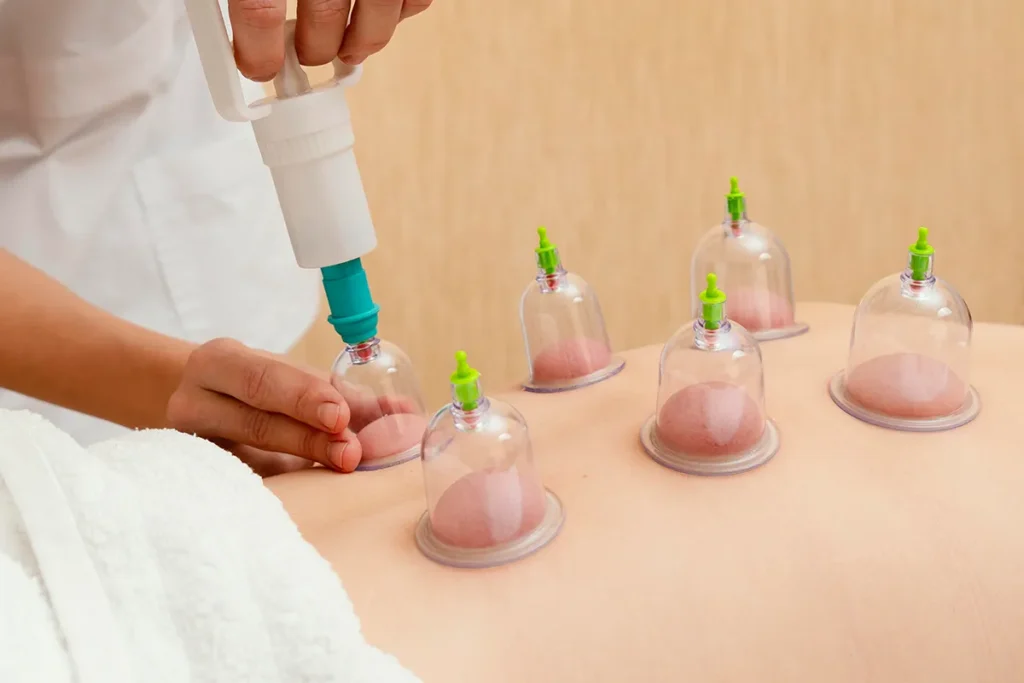
Cups are placed one at a time, and you may feel a gentle tug as the suction forms. The cups usually stay on for a few minutes, or in moving cupping, glide slowly across oiled skin. The practitioner should explain each step as they go.
How the experience may differ between dry and wet cupping
Dry cupping involves suction only, so the feeling is mainly tightness. Wet cupping includes small skin cuts before suction is applied, so it feels different and requires more care with hygiene and aftercare. Ask which type is being offered before you start.
Communicating discomfort during treatment
You can ask the practitioner to release or remove a cup at any time. Mention if you feel faint, nauseous, or experience pain, and ask for a pause. A professional will respond immediately.
Hijama vs. Dry Cupping: What Changes?
How dry cupping is performed
Cups are applied to the skin and left in place for a short period, using a pump or heat to create suction. The skin stays intact, and marks usually fade within days. It is the most commonly offered type in wellness settings.
What makes wet cupping different
In wet cupping, the practitioner makes tiny superficial cuts and then uses suction to draw a small amount of blood. Because it involves blood, it is a procedure with infection-control requirements, and in Bahrain it falls under the oversight of the National Health Regulatory Authority. It should only be performed by an authorized practitioner.
Differences in preparation and aftercare
Wet cupping usually involves more detailed screening beforehand and stricter aftercare, such as keeping the area clean and avoiding certain activities. Dry cupping typically needs less aftercare beyond skin comfort and hydration. Follow the specific instructions you are given.
Choosing the approach that matches the service available
Choose the type your chosen provider is actually authorized and trained to perform. If you are unsure, start with dry cupping or moving cupping and discuss other options with a qualified practitioner or your doctor.
Before Your Hijama Session
Questions to ask the practitioner
Ask which type of cupping will be used, who performs it, and what training and authorization they hold. Ask how equipment is cleaned or disposed of and what aftercare they recommend. A clear, direct answer is a good sign.
Discussing relevant personal considerations
Tell the practitioner about medications such as blood thinners, any clotting issues, skin conditions, pregnancy, recent surgery, or chronic illness. These can affect whether cupping is suitable. If in doubt, speak to your doctor first.
Understanding the treatment procedure beforehand
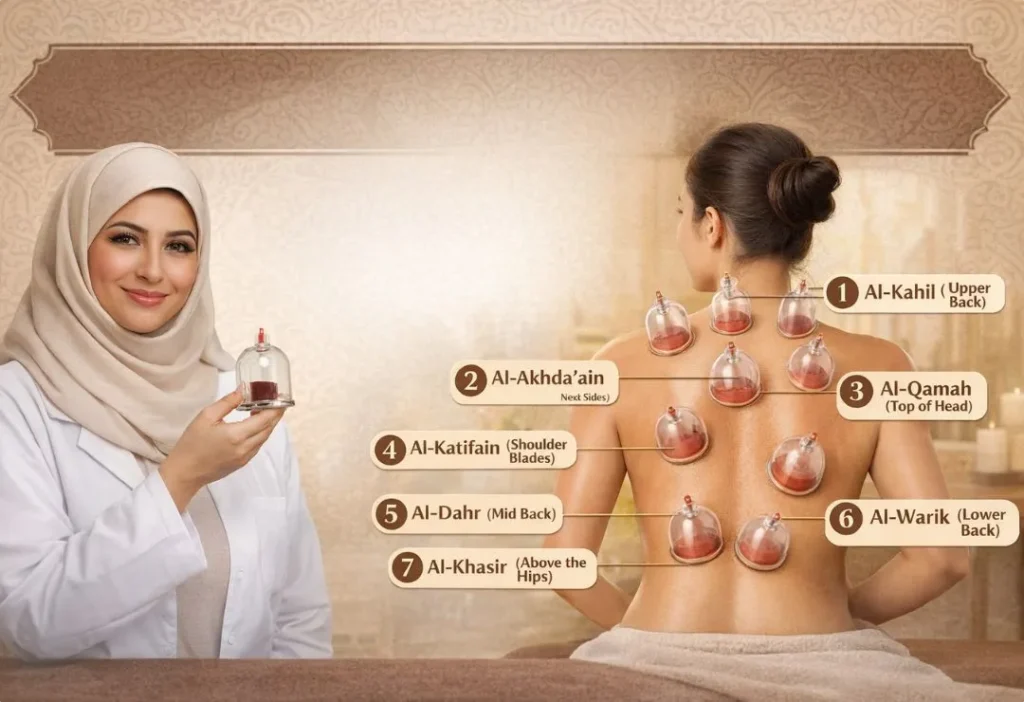
Ask for a walkthrough of what will happen, including how long it takes, how many cups are used, and where they will be placed. Knowing the process helps you feel more comfortable and lets you decide whether to proceed.
Preparing for the appointment
Wear loose clothing that gives easy access to the back and shoulders, and avoid a heavy meal beforehand. Arrive a few minutes early to complete any questions and settle in. Bring a list of medications if you take any.
What Happens After Hijama?
Why temporary circular marks may appear
Suction draws blood toward the skin’s surface, which can leave round red or purple marks where the cups were. They are usually painless or mildly tender. They are a common effect, not a sign of injury by themselves.
How long visible marks may remain
Marks commonly fade within several days, though some people notice them for up to a couple of weeks, depending on the person and how much suction was used. If you have an event or holiday coming up, plan your session with that in mind.
General after-session care
Keep the treated area clean, drink water, and avoid very hot baths, strenuous exercise, or direct heat on the area for a short time unless your practitioner advises otherwise. Wear loose clothing. Follow any aftercare instructions you are given, especially after wet cupping.
When to seek professional medical advice
Contact a doctor if you notice signs of infection such as spreading redness, heat, swelling, or discharge, or if you feel unwell, dizzy, or unusually weak afterwards. Seek advice if marks look unusual or do not improve. Do not rely on cupping to manage a medical condition.
Hijama in Juffair, Bahrain
Finding cupping services in the Juffair area
Juffair has many hotels, apartments, and wellness businesses. Our massage in Juffair guide explains how to evaluate providers in the area.
What to verify before booking a session
Check which type of cupping is offered, who performs it, whether the practitioner is authorized by NHRA, and what hygiene standards apply. Confirm the price, duration, and aftercare in advance. NHRA publishes a list of authorized cupping practitioners that you can consult.
Planning Hijama around your hotel, home, or daily schedule
Allow time to rest afterwards rather than booking something demanding straight afterwards. If you prefer treatment at your accommodation, ask whether the provider offers it, as with our home and in-room massage service.
Hijama Price & Booking in Bahrain
Factors that can affect treatment pricing
Prices vary by cupping type, practitioner qualifications, location, session length, and whether it is combined with massage. Our dedicated cupping and Hijama price guide breaks down these factors.
Session duration and treatment type
Dry cupping sessions are often shorter and simpler, while wet cupping and combined sessions take longer. More cups or added massage usually mean a higher price. Ask what the quoted price includes.
How to confirm current prices and availability
Ask the provider directly and request the price in writing. For broader reference ranges on massage in Bahrain, see the massage and spa price hub.
Booking a Hijama session in Juffair
Contact the provider by phone or WhatsApp, state the type of cupping you want, and confirm the time and location. You can ask Lotus Massage Bahrain which cupping options are currently available.
Choosing a Professional Hijama Provider
Hygiene and single-use equipment
A professional provider uses clean surfaces, gloves, and single-use or properly sterilized equipment. For wet cupping, blades and cups must never be reused between clients without proper sterilization. If anything looks unclean, leave.
Practitioner training and experience
Ask how long the practitioner has practiced and what training they have, and check that they are authorized by NHRA. Reputable practitioners are comfortable answering questions about their background.
Clear explanation of the treatment before starting
A good practitioner explains the process, the risks, and the aftercare before beginning and checks that you are comfortable. You should never feel rushed or pressured.
When medical advice should take priority over a wellness treatment
If you have a health condition, take regular medication, or have new or worrying symptoms, speak to a doctor before booking. Cupping should never replace diagnosis or treatment.
FAQ: Hijama Benefits & What to Expect
What are the traditional benefits of Hijama?
Traditionally, it has been used for general wellbeing and easing aches, within a cultural and religious context. Scientific evidence is mixed, and it should not be treated as a medical cure. For more questions, see our Hijama FAQ.
Does Hijama hurt?
Most people describe pulling or tightness rather than sharp pain, and wet cupping may feel slightly different because of the skin cuts. Tell the practitioner if it becomes uncomfortable.
How long do Hijama marks usually last?
Commonly several days, sometimes up to a couple of weeks, depending on the individual and technique.
What should I do before a Hijama session?
Avoid a heavy meal, wear loose clothing, tell the practitioner about your health and medications, and ask any questions about the process.
What should I avoid immediately after treatment?
Avoid very hot baths, strenuous exercise, and direct heat on the area for a short time, and follow your practitioner’s specific advice.
How often can someone have Hijama?
It varies by person and type, and practitioners differ in their recommendations. Ask your practitioner and your doctor, and do not repeat sessions too closely together.
Is Hijama suitable for everyone?
No. People who are pregnant, take blood thinners, have clotting disorders, skin conditions, or certain chronic illnesses should speak to a doctor first.
If you have questions about cupping and what suits you, Lotus Massage Bahrain can explain the options and help you plan a session. Contact us today and tell us what you are looking for.