Arabic massage is easy to describe in general terms — rhythmic, oil-based, full-body — but the specific techniques behind it are what actually set it apart from other traditional styles. This guide goes deeper into the mechanics: how a therapist actually moves through a session, what makes the technique physically effective, and how it stacks up against Thai, Swedish, deep tissue, and sports massage.
For pricing and where to book, see our main Arabic Massage Bahrain guide. If you’re deciding between styles, our Arabic Massage vs International Massage Styles comparison covers that in more detail too.
What Is Arabic Massage?
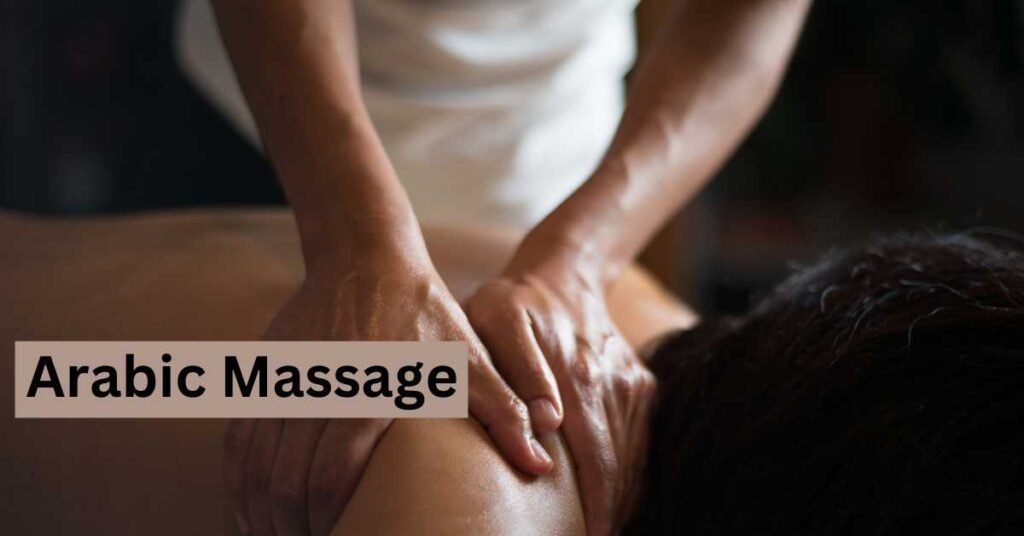
Arabic massage is a traditional Middle Eastern bodywork technique built around continuous, rhythmic movement rather than isolated spot work. A therapist typically works across large sections of the body — back, legs, arms, shoulders — using warmed oil to maintain a smooth, unbroken flow of pressure and stretching throughout the session, rather than pausing repeatedly to focus on one specific muscle group.
The Origins of Arabic Massage
The technique developed alongside traditional Middle Eastern hammam culture, where massage was historically paired with steam and cleansing rituals rather than practiced as a standalone service. That origin still shapes the style today — Arabic massage retains a rhythm and pacing built for full-body restoration rather than the more targeted, clinical approach found in some Western massage traditions.
How Arabic Massage Works
Warm Aromatic Oils
Oil is applied generously and kept warm throughout the session, both to reduce friction against the skin and to help therapists maintain longer, more continuous strokes without needing to reapply repeatedly. Scented oils are common, chosen more for their calming aromatic effect than for any specific therapeutic additive.
Long Flowing Massage Strokes
Rather than short, repeated movements over a small area, Arabic massage relies on long strokes that travel the full length of a limb or the back in a single motion — a technique that helps the body settle into the treatment rather than reacting to a series of separate, disconnected touches.
Rhythmic Pressure Techniques
Pressure is applied in a steady, predictable rhythm rather than varying sharply from light to intense. This consistency is part of what makes Arabic massage feel distinctly different from deep tissue work, where pressure is often concentrated and adjusted moment to moment on a specific problem area.
Gentle Muscle Stretching
Therapists commonly incorporate light stretching into the flow of the massage — particularly through the shoulders, arms, and legs — blending mobility work into the same continuous movement rather than treating it as a separate step.
Relaxation-Focused Therapy
The overall session is paced to build toward a sustained state of relaxation, with the rhythm and continuity of the treatment functioning almost as importantly as the pressure itself in producing that effect.
Benefits of Arabic Massage
Relieve Muscle Tension
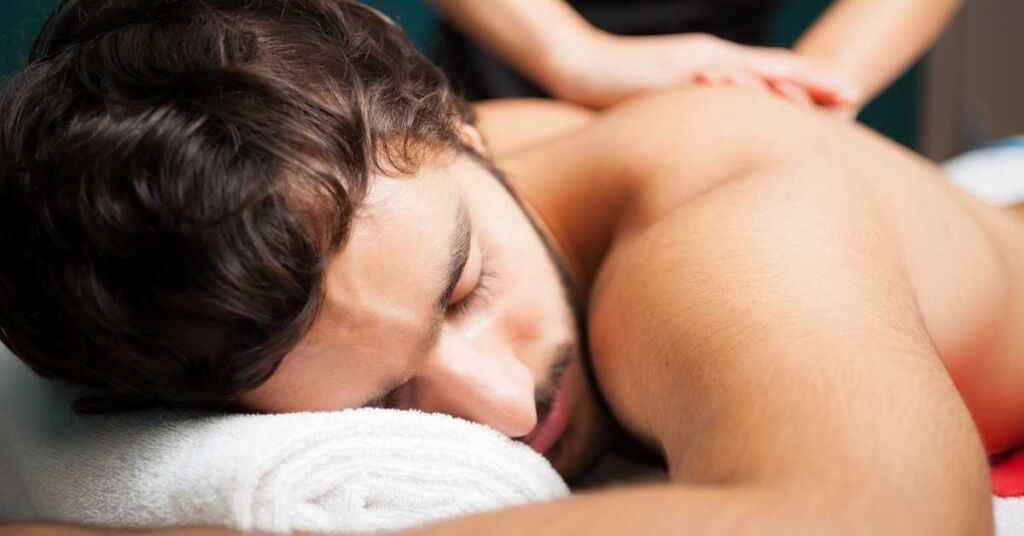
The steady, full-body pressure works effectively on general muscular tightness, particularly through the back and shoulders, without the more intense sensation associated with concentrated deep tissue work.
Reduce Stress and Anxiety
The continuous, predictable rhythm of the technique has a genuinely calming effect, helping lower stress levels both through physical release and the simple experience of sustained, uninterrupted touch.
Improve Blood Circulation
The long, flowing strokes used throughout the session help stimulate circulation across large muscle groups, supporting quicker physical recovery from fatigue or long periods of inactivity.
Promote Better Sleep
The combination of physical relaxation and stress reduction from an Arabic massage session commonly makes it easier to fall asleep and stay asleep in the hours following treatment.
Increase Relaxation
Because the technique moves continuously rather than pausing on specific points, many guests describe Arabic massage as producing a deeper, more sustained sense of relaxation than more targeted massage styles.
Support Overall Wellness
The blend of physical relief and mental calm reinforces itself over a session and beyond it — less tension supports better mood, better mood supports better sleep, and the cumulative effect tends to outlast the massage itself.
Who Should Try Arabic Massage?
Office Workers
The full-body, rhythmic approach suits the kind of general tightness that builds up from long hours at a desk, especially through the neck, shoulders, and lower back.
Business Travelers
For travelers with limited downtime, Arabic massage offers a genuinely restorative option that addresses physical fatigue and mental stress together in one session, without requiring a longer, more elaborate spa visit.
Tourists Visiting Bahrain
Booking an Arabic massage is also a way to experience an authentic regional tradition during a visit, rather than a generic international spa treatment available anywhere in the world.
Men Looking to Relax
The firmer, rhythmic pressure of Arabic massage tends to suit men looking for a treatment with genuine physical impact rather than an especially light touch.
Women Seeking Stress Relief
The sustained, full-body nature of the technique makes it particularly effective for stress relief, and most providers in Bahrain offer dedicated women’s treatment rooms or hours.
Couples
Many spas and massage centers offer Arabic massage as part of a shared couples session, letting both partners experience the same calming, rhythmic treatment side by side.
Common Arabic Massage Techniques
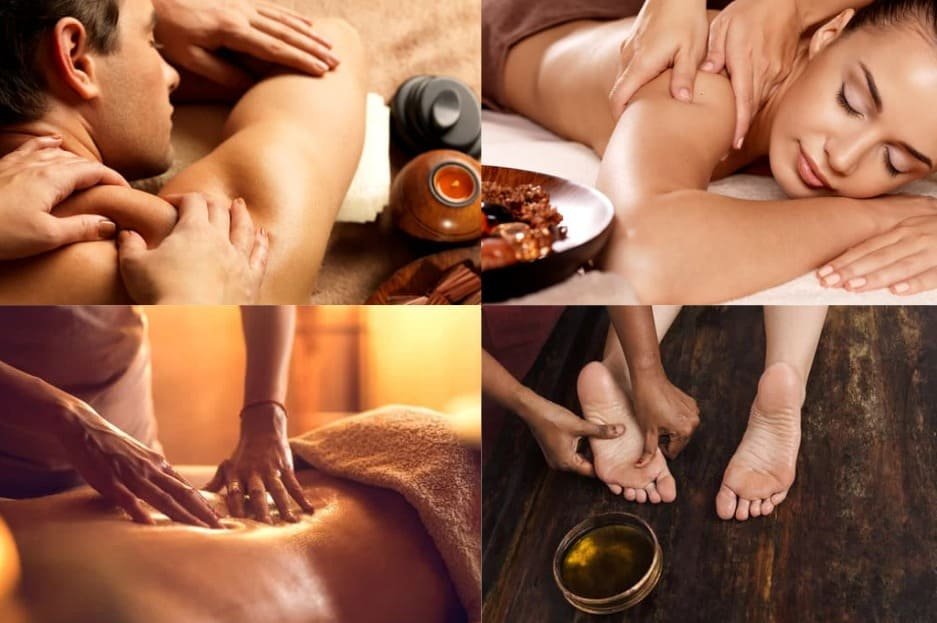
Oil Massage
Generously applied, warmed oil is fundamental to the technique — it’s what allows the long, continuous strokes that define the style, rather than the shorter, drier movements used in some other traditions.
Palm Pressure
Broad, flat pressure from the palm of the hand is used across larger muscle groups, spreading force evenly rather than concentrating it into a single point.
Forearm Techniques
For firmer pressure across larger areas like the back or thighs, therapists sometimes use the forearm rather than the hands alone, allowing for consistent, even pressure without the more pinpointed intensity of thumb or knuckle work.
Gentle Stretching
Light stretching is woven directly into the massage strokes rather than performed as a separate phase, helping improve mobility while maintaining the session’s continuous rhythm.
Relaxation Breathing
Some therapists guide clients through slower, deeper breathing during particularly calming portions of the session, reinforcing the relaxation response alongside the physical technique itself.
Arabic Massage vs Other Massage Styles
Thai Massage
Thai massage is performed without oil, typically on a mat, and involves more active, assisted stretching than Arabic massage’s flowing, oil-based approach. Arabic massage is generally the gentler, more passive experience of the two. See our Thai Massage Bahrain guide for more detail.
Swedish Massage
Swedish massage shares some similarities with Arabic massage — both use oil and long strokes — but Swedish massage typically applies lighter pressure throughout, while Arabic massage maintains a firmer, more consistent rhythm from start to finish. Our Swedish Massage Bahrain guide breaks this down further.
Deep Tissue Massage
Deep tissue massage concentrates intense, targeted pressure on specific problem areas, while Arabic massage spreads steady pressure continuously across the whole body. Arabic massage is generally the better fit for overall relaxation; deep tissue is better suited to resolving a specific, localized issue. See our Deep Tissue Massage Bahrain guide for more.
Sports Massage
Sports massage is built around athletic recovery and injury prevention, often incorporating more assertive stretching and pressure aimed at specific muscle groups used in a particular sport. Arabic massage, by contrast, is designed for general relaxation and wellness rather than athletic performance.
Is Arabic Massage Painful?
Arabic massage is generally not painful. The pressure is firm and consistent rather than sharply intense, and unlike deep tissue massage, it isn’t designed to work aggressively into knots or chronically tight areas. Most guests describe the sensation as strong but comfortable throughout, making it a suitable option even for those who find deep tissue massage too intense.
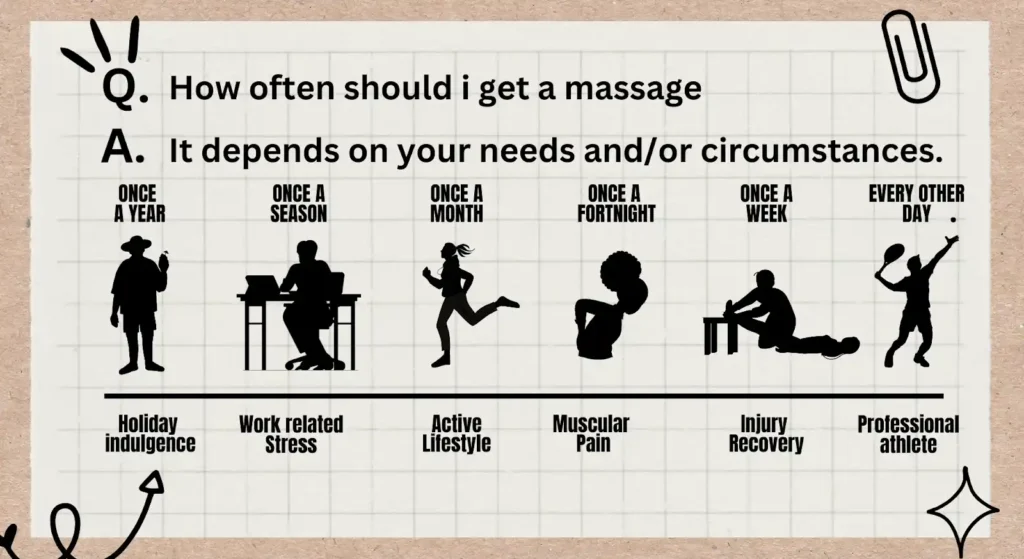
How Often Should You Get an Arabic Massage?
For general relaxation and stress management, many regular clients book an Arabic massage every two to four weeks. Guests dealing with more persistent tension from work or travel sometimes book more frequently during particularly demanding periods, then taper off to a more occasional schedule once things settle.
Tips for Getting the Best Results
Stay Hydrated
Drinking water before and after your session helps your body process the physical effects of the massage more comfortably.
Choose the Right Session Length
A 60-minute session covers a full-body treatment comfortably; 30 minutes works well if you only want to target the back, neck, and shoulders specifically.
Communicate Your Preferences
Letting your therapist know your pressure preference and any areas needing extra attention at the start of the session helps them tailor the rhythm and focus accordingly.
Allow Time to Relax Afterwards
Rushing straight from the treatment room into your next activity undercuts some of the benefit — even 15–20 minutes of downtime afterward helps the relaxation fully settle in.
Frequently Asked Questions
What is Arabic massage?
Arabic massage is a traditional Middle Eastern bodywork style using warmed oil, long flowing strokes, rhythmic pressure, and gentle stretching to promote full-body relaxation and relieve muscle tension.
What are the benefits of Arabic massage?
Arabic massage helps relieve muscle tension, reduce stress and anxiety, improve circulation, and support better sleep, with most guests reporting a strong overall sense of relaxation.
Is Arabic massage suitable for beginners?
Yes. Its steady, moderate pressure makes it an accessible starting point for anyone new to traditional massage, without the more intense sensation of deep tissue work.
Is Arabic massage painful?
No, Arabic massage is not typically painful. The pressure is firm but consistent, and the technique isn’t designed to work aggressively into tight, painful spots the way deep tissue massage can.
How long does a session last?
Sessions commonly run 60 minutes for a full-body treatment, with 30-, 90-, and 120-minute options also available depending on the provider.
How often should I get an Arabic massage?
Many regular clients book every two to four weeks for general relaxation, though this varies based on individual needs and how much physical tension you’re carrying.
Can tourists get Arabic massage in Bahrain?
Yes, Arabic massage is widely available across massage centers and hotel spas in Bahrain, and it’s a popular choice for tourists wanting to experience an authentic regional tradition.
What should I wear for an Arabic massage?
You’ll typically undress to your comfort level and remain covered by a towel or sheet throughout, with only the area being worked on uncovered at any time.
Is Arabic massage good for stress relief?
Yes, it’s particularly well suited to stress relief thanks to its continuous, rhythmic pacing, which tends to produce a deeper, more sustained sense of relaxation than more targeted massage styles.
Where can I book Arabic massage in Bahrain?
See our main Arabic Massage Bahrain guide for pricing and provider options, or browse our area guides for Juffair, Manama, and Seef.
Final Thoughts
Arabic massage’s real strength lies in its rhythm — the continuous, flowing technique is what separates it from more targeted styles like deep tissue or sports massage, and it’s exactly what makes it such an effective option for overall relaxation and stress relief. For pricing details and provider recommendations, head back to our full Arabic Massage Bahrain guide, or compare it directly against other traditions in our Arabic Massage vs International Massage Styles guide.
Ready to book? Visit Lotus Massage Bahrain to compare options and reserve your treatment.
Lotus Massage Bahrain
Whatsapp: +97334095899
Website: https://massagebahrain.xyz/
Address: Road Number 2426, Manama 340, Bahrain