What does a Shiatsu session actually offer, and what is the therapist doing with their hands? The honest answer is that Shiatsu is a pressure-and-stretch style of wellness massage, and its appeal lies mostly in how it feels and how it is delivered rather than in medical outcomes. This guide looks at the potential benefits, the main techniques, and how pressure is handled during a session. For a general introduction and booking basics, see our Shiatsu massage in Bahrain guide. This is wellness information, not medical advice.
What Is Shiatsu Massage?
The Japanese tradition behind Shiatsu
Shiatsu is a Japanese hands-on practice whose name translates as “finger pressure”. It sits within a wider tradition of Eastern bodywork in which pressure and stretching are applied in a deliberate order. Today it is offered as a wellness treatment, and what people take from it is personal.
The basic approach to pressure and bodywork
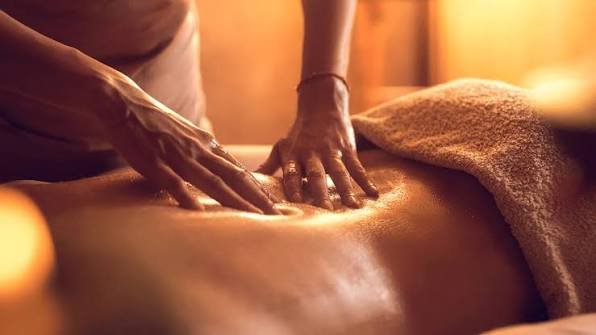
The therapist presses, holds, and releases, moving through the body in a sequence rather than working one muscle at a time. Pressure is usually applied through the thumbs, palms, and sometimes forearms, using body weight rather than force. The result is a steady, structured session instead of a series of flowing strokes.
How Shiatsu differs from oil-based massage
Shiatsu is usually done without oil and often over loose clothing, so there is no gliding across the skin. A traditional oil massage relies on warm oil and continuous strokes, which gives a very different sensation. If oil is not your preference, this is one of the main reasons people try Shiatsu.
Why the technique focuses on controlled pressure and movement
Because pressure is sustained rather than rubbed in, the therapist must control depth, timing, and direction carefully. Slow, deliberate application is what separates skilled Shiatsu from simply pressing hard. You should feel guided through the session rather than pushed.
Potential Benefits of Shiatsu Massage
Supporting relaxation and a focused massage experience
The main reason people choose Shiatsu is a calm, grounded hour in which attention is drawn to each area in turn. The slow rhythm and steady pressure can help you switch off from a busy day. Treat this as a comfort benefit, not a treatment for any condition.
Why some people prefer targeted pressure
Some people find light, flowing massage too faint and enjoy the clear, purposeful pressure of Shiatsu. It can feel satisfying on areas that often feel tight after desk work, such as the shoulders, neck, and lower back. Others prefer something softer, which is a matter of taste.
The role of stretching and assisted movement
Gentle stretches are woven between pressure holds, and the therapist moves your limbs while you stay relaxed. Many people enjoy the feeling of being stretched without effort. It should always feel comfortable and never forced.
Why individual experiences can vary
Your stress levels, sleep, hydration, body, and the therapist’s skill all shape how a session feels. Scientific evidence for specific wellness claims around Shiatsu is limited, so no provider should promise outcomes such as curing pain or detoxing the body. Be cautious of anyone who does.
Common Shiatsu Massage Techniques
Thumb and finger pressure
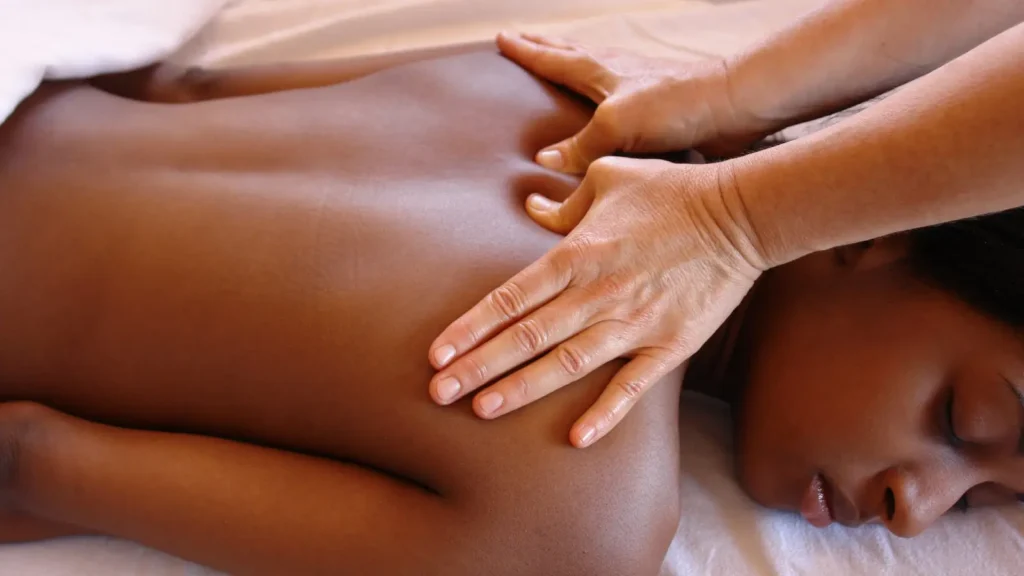
Thumb and finger pressure is the signature of the style, used to apply precise, held pressure on smaller areas such as the hands, feet, neck, and along the back. The therapist presses for a few seconds, then releases slowly. It is meant to feel firm and focused, not sharp.
Palm pressure and broader contact
On larger areas such as the back, thighs, and shoulders, the therapist often uses the palms or forearms for a broader, gentler contact. Leaning in with body weight spreads the pressure across a wider area. Many people find this more comfortable than concentrated thumb pressure.
Gentle stretching and joint movement
The therapist may rotate your shoulders, bend your knees toward your chest, or stretch an arm across the body, always within your comfortable range. These movements are slow and supported. Tell the therapist about any stiff joints or past injuries before they begin.
Rhythmic pressure along the body
Pressure is often applied in a steady rhythm, such as rocking or repeated press-and-release along the back or legs. This rhythm is a big part of why the session feels so organised and calming. It also helps you anticipate each movement, which makes relaxing easier.
How Pressure Changes During a Shiatsu Session
Light versus firm pressure
Most sessions begin lightly and build gradually, so your body can adapt before deeper pressure is used. Firm pressure should feel like a satisfying lean, not a painful jab. You can ask for lighter or firmer work at any point.
Targeted pressure versus broad movements
A good session alternates between small, targeted holds and wider, flowing movements such as palm work and stretches. This variety keeps the experience balanced and stops any single area from feeling overworked. If you want more focus on one area, say so at the start.
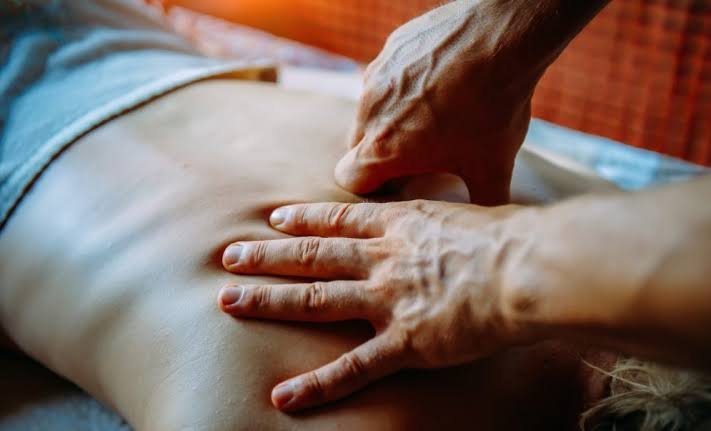
Communicating discomfort and pressure preferences
Speak up when pressure feels too much or too little, and use simple words such as “lighter” or “a bit firmer”. A professional therapist will respond immediately and will not take it personally. Clear feedback is part of getting a good session.
Why stronger pressure is not always better
Pressing harder does not make Shiatsu more effective, and too much pressure can leave you tense or sore. The skill lies in steady, well-placed pressure and good timing. If you leave the session feeling bruised, the pressure was too heavy.
Shiatsu vs. Other Massage Techniques
Shiatsu vs. traditional oil massage
Shiatsu uses held pressure and stretching without oil, while traditional oil massage uses flowing strokes and warm oil. Choose Shiatsu for a structured, pressure-based session, and oil massage for a soft, soothing, skin-level one.
Shiatsu vs. deep tissue massage
Deep tissue massage uses oil and slow, firm strokes to work into specific muscles, so it is usually a better match for a stubborn tight spot. Shiatsu spreads its pressure across the whole body in sequence and adds stretching.
Shiatsu vs. Thai massage
Thai massage is also done on a mat in comfortable clothing, but it tends to use bigger, more dynamic stretches, while Shiatsu is generally calmer and centred on held pressure. Pick Thai if you want more stretching, and Shiatsu if you want steadier pressure.
Choosing based on technique, pressure, and treatment style
Decide whether you prefer oil or no oil, flowing strokes or held pressure, and a quiet session or an active one. If you are unsure, describe what you enjoy to the team and ask for a recommendation. The Bahrain massage and spa price hub lists the main styles side by side.
Shiatsu Massage in Juffair, Bahrain
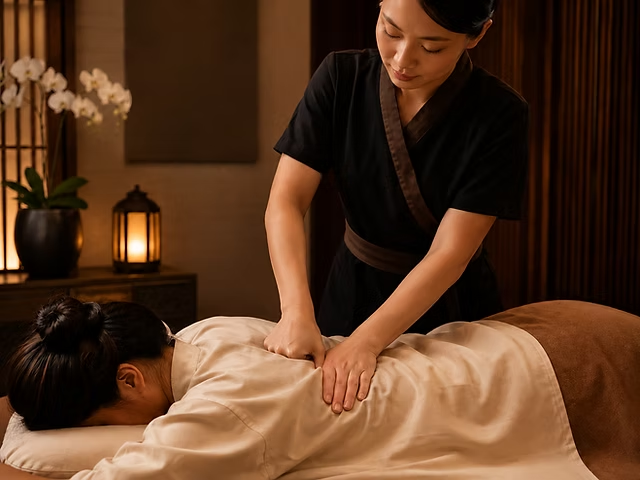
Finding Shiatsu massage around Juffair hotels and residences
Juffair has a dense mix of hotels, serviced apartments, and residential towers, so a session is usually a short trip away. Our massage in Juffair guide explains what to look for in the area.
Why location can matter for regular massage sessions
If you plan to book regularly, a convenient location makes the habit easier to keep. A short journey also helps you stay relaxed afterwards instead of arriving home tense from traffic.
In-center versus in-room massage options
You can visit the Juffair center or arrange a home or in-room massage at your hotel or residence. Shiatsu needs only a little floor space for a mat, so in-room works well if you want to stay put afterwards.
What to check when choosing a Shiatsu provider
Ask whether the therapist has experience with Shiatsu, how the session is set up, and what clothing is recommended. Confirm the treatment name, duration, and total price, and avoid providers who make medical claims.
Shiatsu Massage Price & Booking in Bahrain
Factors that can affect Shiatsu massage pricing
Session length, therapist experience, treatment area, and whether the visit is in-center or in-room all influence the price. Our Shiatsu massage price guide covers these factors in detail.
Session duration and treatment format
Sessions commonly run from 30 to 90 minutes, with 60 minutes the most popular. Shorter bookings suit a focused back-and-shoulder session, while longer ones allow a full-body sequence.
How to confirm the latest Lotus Massage price
Contact Lotus Massage Bahrain by phone or WhatsApp and ask for the current price for your chosen duration, in writing.
Same-day and advance appointment options
Same-day slots are sometimes possible, but booking ahead is wiser for evenings, weekends, longer sessions, and in-room visits.
What to Expect From Your First Shiatsu Session
Discussing your preferences before treatment
Tell the therapist what you hope for, whether that is relaxation or focus on a particular area, along with your preferred pressure and any injuries, medical conditions, pregnancy, or recent surgery. A short chat at the start shapes the whole session.
Clothing and treatment setup
Wear loose, comfortable clothing you can stretch in, such as a t-shirt and soft trousers. The session is usually done on a padded mat, though the setup can vary, so ask when you book.
How pressure and stretching are introduced
Expect light pressure at first, building gradually, with stretches added once you feel relaxed. If you are a beginner, ask the therapist to take it slowly.
What the session may feel like afterward
Many people feel calm and loose, and some feel more alert. Mild tenderness in pressed areas is possible after a firmer session. Drink water and take it easy for the rest of the day.
FAQ About Shiatsu Benefits & Techniques
What are the potential benefits of Shiatsu massage?
Mainly relaxation and a focused, structured massage experience. Specific health outcomes are not guaranteed, and evidence for them is limited. For more questions, see our Shiatsu massage FAQ.
What techniques are used in Shiatsu?
The main ones are thumb and finger pressure, palm and forearm pressure, gentle stretching and joint movement, and rhythmic press-and-release along the body.
Does Shiatsu massage hurt?
It should not. Pressure can feel firm and deep, but never sharp. Tell your therapist if anything is uncomfortable.
Does Shiatsu use oil?
Typically no. It is usually performed without oil, often over loose clothing.
Is Shiatsu a deep pressure massage?
It can feel firm, but it is not the same as deep tissue massage. The pressure is applied in a sequence across the body with stretching, and you can ask for it to be lighter or firmer.
How long does a Shiatsu session usually take?
Commonly 30 to 90 minutes, with 60 minutes a popular choice.
Is Shiatsu suitable for beginners?
Yes, if you tell the therapist it is your first time and ask them to start lightly. If you have a health condition, check with your doctor first.
Should I consult a healthcare professional before booking?
Yes, if you are pregnant, have a heart condition, a blood clotting disorder, osteoporosis, a recent injury or surgery, or any condition that pressure or stretching could affect. Shiatsu is a wellness massage and does not replace medical advice or treatment.
Ready to try a different kind of massage? Lotus Massage Bahrain can help you plan a Shiatsu session in Juffair or at your accommodation. Book your session today and tell us the pressure you prefer.