Most questions about Hijama come down to safety, so this page gives short, direct answers about risks, marks, preparation, and when to see a doctor first. For a full overview, see our cupping therapy (Hijama) in Bahrain guide. This is general information, not medical advice, and anyone with a health concern should speak to a doctor before treatment.
Is Hijama Safe?
What safety depends on during a cupping session
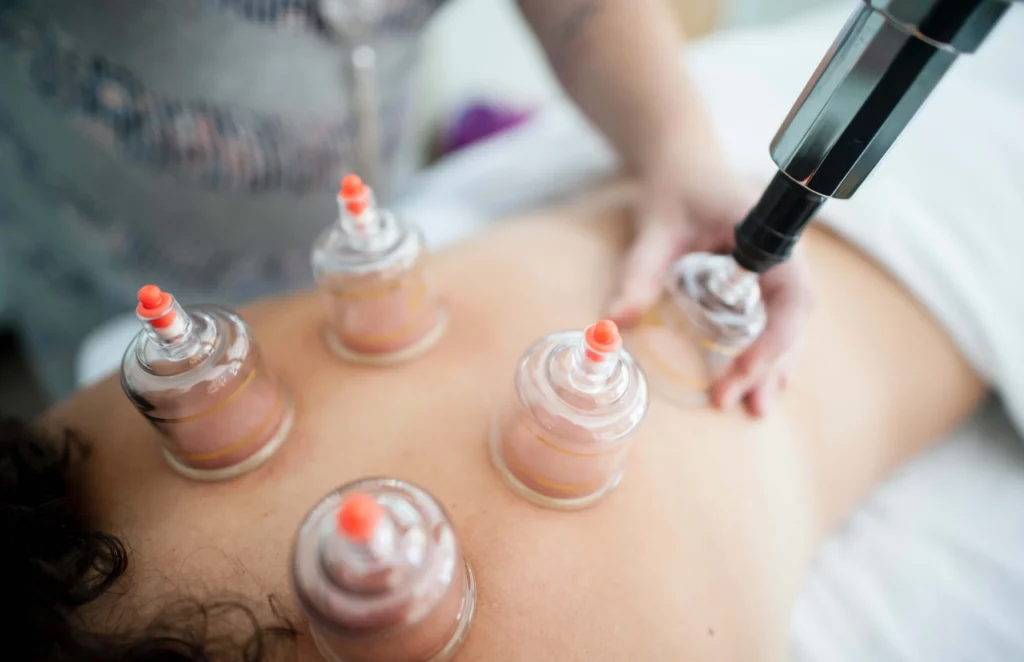
Safety depends mainly on the type of cupping, the practitioner’s training, the hygiene of the setup, and your own health. Dry cupping is generally considered lower risk than wet cupping, which involves skin incisions. No treatment is risk-free, so it is worth asking questions before you start.
Why practitioner hygiene and technique matter
Clean surfaces, gloves, and single-use or properly sterilized equipment protect you from infection, especially in wet cupping. Poor technique can also cause burns when heat is used, or excessive bruising. Choose a provider who is open about how they work.
Why Hijama may not be appropriate for everyone
People who are pregnant, take blood thinners, have clotting disorders, diabetes, skin conditions, or certain chronic illnesses may need a different approach or should avoid it. Age, recent surgery, and general health can also matter. If you are unsure, ask your doctor first.
When to discuss treatment with a healthcare professional first
Speak to a doctor before booking if you have a medical condition, take regular medication, or are treating a specific symptom. Cupping should never replace diagnosis or treatment for something that needs medical attention. Hijama in Bahrain is overseen by the National Health Regulatory Authority, so ask about authorization too.
What Is the Difference Between Dry Cupping and Wet Cupping?
How dry cupping works
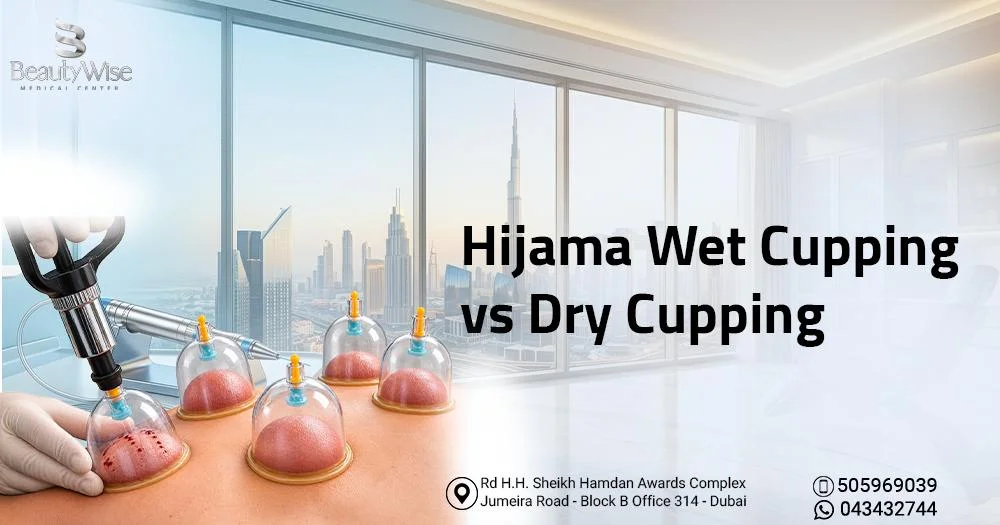
Cups are placed on intact skin and suction holds them in place for a few minutes, or they are glided over oiled skin in moving cupping. No incision is made. Marks usually fade in days.
What happens during wet cupping (Hijama)
Tiny superficial cuts are made in the skin, and suction is applied to draw a small amount of blood. Because it involves blood, it needs sterile single-use materials and safe waste disposal, and should be performed by an authorized practitioner.
Differences in preparation and aftercare
Wet cupping usually involves more screening before and stricter aftercare, such as keeping the area clean. Dry cupping needs less aftercare, mainly skin comfort. See our Hijama benefits guide for more on what to expect.
Why the treatment type should be confirmed before booking
The type changes the risk, price, preparation, and practitioner requirements. Always confirm which type is being offered, so you know what you are agreeing to.
What Should I Expect During a Hijama Session?
Initial discussion and treatment preparation
You should be asked about your health, medications, and skin condition, and the procedure should be explained. You can ask questions or decline at any time.
Cup placement and suction
Cups are applied to areas such as the back or shoulders, and suction is created with a pump or heat. They stay on for a few minutes or are moved gently across the skin.
What the treatment may feel like
Most people feel pulling or tightness rather than sharp pain. Sensations vary with the person, the amount of suction, and the type of cupping.
Communicating discomfort with the practitioner
Tell the practitioner immediately if you feel pain, faintness, or nausea, and ask them to release the cups. A professional will respond right away.
Are Cupping Marks Normal?
Why circular marks can appear after cupping
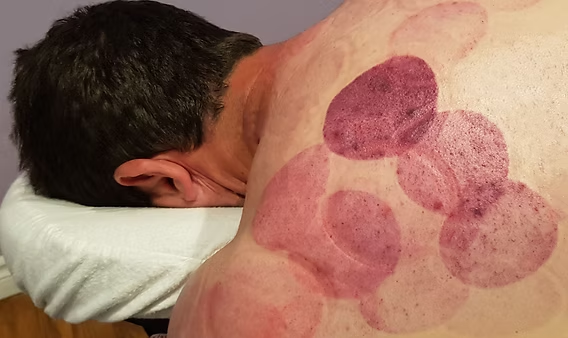
Suction draws blood toward the skin’s surface, leaving round red or purple marks. These are a common effect and are usually painless or mildly tender.
How the appearance of marks can vary
Marks differ with skin type, suction strength, and cupping type. Some people have faint pink circles, while others have darker marks.
How long marks may remain visible
They commonly fade in several days and sometimes take up to a couple of weeks. Plan your session around events where you do not want visible marks.
When an unusual skin reaction should be checked professionally
See a doctor if you notice spreading redness, heat, swelling, discharge, blistering, or marks that worsen or do not improve. Seek advice promptly if you feel unwell.
Who Should Ask for Medical Advice Before Hijama?
Why individual health circumstances matter
Your health history affects bleeding, healing, and skin response, so the same treatment can carry different risks for different people. A doctor who knows your history can advise you better than a general guide can.
Medications and conditions that may require extra consideration
Blood thinners, clotting or bleeding disorders, diabetes, anemia, heart conditions, and some chronic illnesses call for extra caution. Pregnancy also needs medical advice first.
Skin conditions or areas that should be discussed beforehand
Tell the practitioner about eczema, psoriasis, infections, recent sunburn, wounds, or sensitive areas. Cups should not be placed over broken or inflamed skin.
Why a massage or wellness provider should not replace medical advice
A wellness provider can describe the treatment but cannot diagnose or treat medical conditions. Use cupping as a complement, not a substitute, and see a doctor for new or worrying symptoms.
Hijama in Juffair, Bahrain: What Should You Check?
Hygiene standards and treatment setup
Look for a clean, private room, fresh linen, gloves, and a tidy setup. If anything looks unclean, leave.
Practitioner experience and training
Ask about training and experience, and whether the practitioner is authorized by NHRA for cupping. NHRA publishes a list of authorized practitioners you can consult.
Whether equipment is appropriately handled
Cups and blades should be single-use or properly sterilized, and used items disposed of safely. Never accept equipment that has been reused without sterilization.
Questions to ask before booking a session in Juffair
Ask which cupping type is offered, who performs it, what the price and duration are, and what aftercare is recommended. Our massage in Juffair guide explains how to evaluate providers in the area.
Hijama Price & Booking in Bahrain
What can affect the price of a Hijama session
Price depends on cupping type, practitioner qualifications, session length, number of cups or areas, and location. For a full breakdown, see our cupping and Hijama price guide.
Confirming the treatment type and session duration
Ask which type of cupping the price covers and how long the session lasts. This avoids confusion about what you are paying for.
Checking the latest price before booking
Confirm the current price directly with the provider and request it in writing. For broader massage price ranges, see the Bahrain massage and spa price hub.
Booking at Lotus Massage in Juffair
Contact Lotus Massage Bahrain by phone or WhatsApp to ask which options are available and to confirm your time. You can also ask about our home and in-room massage service.
What to Do Before and After Hijama
Preparing for your appointment
Avoid a heavy meal beforehand, wear loose clothing, and tell the practitioner about your health and medications. Arrive a few minutes early to ask questions.
Basic considerations immediately after treatment
Sit up slowly, drink water, and rest for a few minutes. Avoid strenuous exercise, very hot baths, and direct heat on the area unless advised otherwise.
Looking after the treated skin
Keep the area clean and dry, wear loose clothing, and follow your practitioner’s instructions, especially after wet cupping. Do not scratch or pick at the skin.
When to contact a healthcare professional after treatment
Contact a doctor if you see signs of infection, feel dizzy or unwell, have unusual bleeding, or have symptoms that worsen. Do not wait if something feels seriously wrong.
FAQ About Hijama Safety
Does Hijama hurt?
Most people describe pulling or tightness rather than sharp pain, though wet cupping may feel different. Tell the practitioner if it becomes uncomfortable.
Can Hijama leave bruises or marks?
Yes, circular marks are common after cupping and are usually temporary. They look like bruises but are caused by suction.
How long do Hijama marks last?
Commonly several days, sometimes up to a couple of weeks, depending on the person and technique.
Can I have Hijama if I take medication?
It depends on the medication. Blood thinners and some other drugs may make cupping unsuitable, so speak to your doctor first.
How often can I have cupping therapy?
It varies by person and type, and practitioners differ in their advice. Ask your practitioner and doctor rather than repeating sessions closely together.
Is wet cupping different from regular massage?
Yes. Regular massage works the muscles through touch and does not break the skin, while wet cupping involves skin incisions and is a regulated procedure. If you want a gentler option, a Swedish massage or deep tissue massage is a different treatment altogether.
Should I consult a doctor before Hijama?
If you have any health condition, take medication, are pregnant, or are treating a symptom, yes. When in doubt, ask first.
What should I ask a practitioner before my first session?
Ask which type of cupping they will use, their training and NHRA authorization, how equipment is cleaned or disposed of, what aftercare they advise, and what the total price is.
If you have questions about cupping and what suits you, Lotus Massage Bahrain can explain the available options and help you plan a session. Contact us today and tell us what you are looking for.