Cupping, known as Hijama in Arabic, is a traditional practice with deep cultural roots across the Arab world, and it is now a regulated service in Bahrain. This guide explains the main types, what a session involves, and what to check before you book at Lotus Massage Bahrain or anywhere else. It is general information, not medical advice, and anyone with a health condition should speak to a doctor first.
What Is Cupping Therapy (Hijama)?
Understanding traditional Hijama
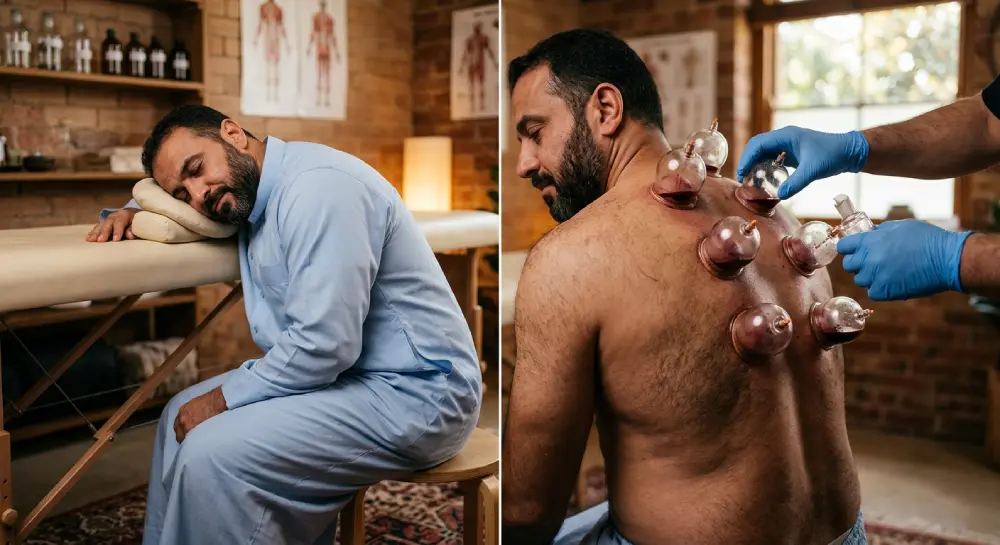
Hijama is a traditional treatment in which cups are placed on the skin to create suction, and it has long been practiced in Muslim and Arab communities. The term is most often used for wet cupping, where the skin is lightly cut and suction draws a small amount of blood. In Bahrain it falls under complementary and alternative medicine regulated by the National Health Regulatory Authority (NHRA).
Dry cupping vs. wet cupping
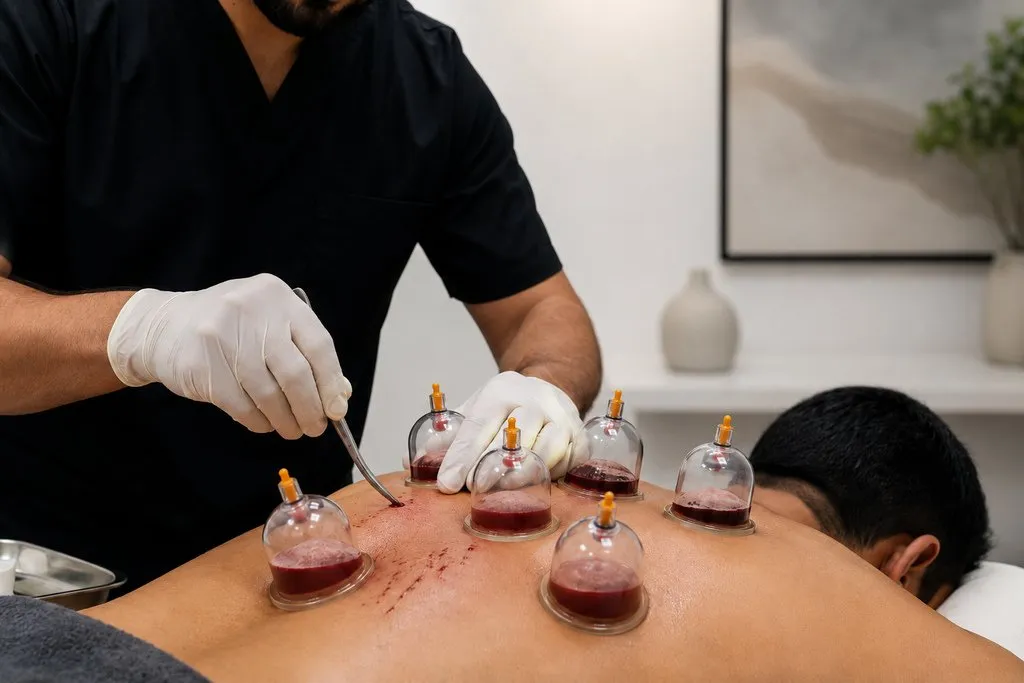
Dry cupping uses suction only, leaving the skin intact, and often leaves round marks. Wet cupping involves a skin incision, so it is a procedure rather than a massage, and it should only be performed by an authorized, properly trained practitioner in a licensed setting. The two carry different considerations, so always ask which type is being offered.
How cupping differs from conventional massage
A conventional massage works the muscles with hands or forearms, while cupping uses suction applied by cups, usually left in place or glided over oiled skin. Some people combine them in one visit, for example a Swedish massage for relaxation alongside dry cupping. They are different treatments and should be chosen for different reasons.
How a Cupping Session Works
Preparing for the treatment
A professional provider starts with a short consultation about your health, medications, and skin condition. You may be asked to avoid a heavy meal beforehand and to uncover the area being treated, usually the back, shoulders, or legs. Tell the practitioner about blood thinners, clotting problems, pregnancy, skin conditions, or recent surgery.
How cups are placed and used
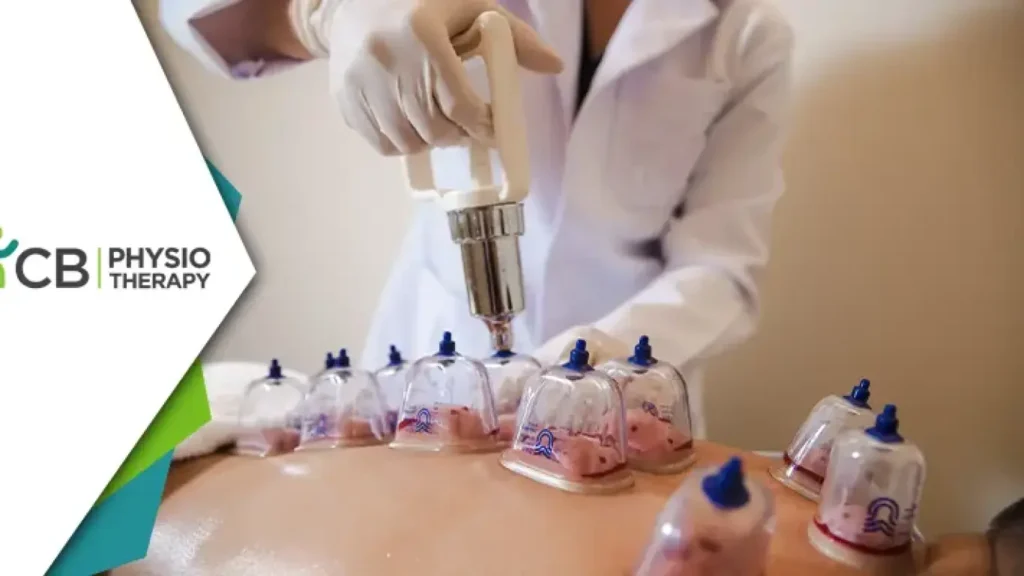
Cups made of glass, plastic, or bamboo are applied to the skin, and air is removed by a pump or heat so suction forms. Cups may stay in place for a few minutes or be moved across the skin with oil. Placement depends on the area being treated and the method.
What happens during and after the session
You may feel a pulling or tightness during treatment, which varies from person to person. Afterwards, circular marks can appear, and the practitioner should explain basic aftercare. In wet cupping, sterile single-use materials and proper waste handling are essential.
Why treatment procedures can vary by practitioner
Methods, cup counts, timing, and aftercare vary by training and tradition. For that reason, it is worth asking each provider how they work rather than assuming all sessions are the same. Look for clear explanations and hygienic practice.
Cupping Techniques & Treatment Approaches
Dry cupping
Cups are placed and left for a short period, creating suction without any skin incision. It is the most commonly offered form in massage and wellness settings. Marks usually fade over days.
Wet cupping (Hijama)
Small superficial cuts are made before suction is applied. Because it involves blood, it carries infection-control requirements and must be done by an NHRA-authorized practitioner using sterile, single-use equipment. Ask to see the practitioner’s credentials before agreeing.
Moving or massage cupping
Oil is applied and the cup is glided slowly across the muscles, similar to a firm massage. It is often combined with elements of a deep tissue massage and tends to leave lighter marks than stationary cupping. It suits people who want massage-like contact with a different sensation.
Choosing an approach based on the service offered
Choose based on what the provider actually offers and is licensed to do, not on what you read online. If you are unsure, start with the gentlest option and discuss it with the practitioner. For health concerns, ask a doctor first.
Why People in Bahrain Seek Cupping Therapy
Traditional wellness and cultural context
Hijama is part of long-standing traditional practice in Bahrain and the wider region, and many people choose it for cultural and personal reasons. Our Ayurvedic massage in Bahrain page shows how other traditional therapies sit alongside it.
Adding cupping to a broader self-care routine
Some people include cupping occasionally alongside massage, stretching, and rest. It should be seen as a supportive wellness practice rather than a replacement for medical care.
Choosing treatment based on personal preferences
Comfort with suction, marks, and the procedure type all matter. If you dislike visible marks, for example before a holiday or event, discuss lighter options or timing. Experiences vary, and results should not be promised.
Hijama & Cupping in Juffair, Bahrain
Finding wellness services in the Juffair area
Juffair has many hotels, apartments, and wellness businesses. Our massage in Juffair guide explains what to look for when choosing a provider.
What to check before booking a cupping appointment
Ask which type of cupping is offered, who performs it, whether they are NHRA-authorized, and what hygiene standards apply. Confirm duration, price, and aftercare before you commit. NHRA publishes a list of authorized cupping practitioners that you can consult.
Options for residents, hotel guests, and visitors to Bahrain
Residents can visit a provider’s location, while hotel guests and visitors may prefer a provider who comes to them. Ask whether cupping is available as part of our home and in-room massage service .
Cupping Therapy Price & Booking in Bahrain
What can affect Hijama and cupping prices
Price depends on the type of cupping, practitioner qualifications, location, and whether the session is combined with massage. Wet cupping in a licensed facility is generally priced differently from dry cupping in a wellness setting. See our upcoming cupping and Hijama price guide for a full breakdown.
Treatment duration and number of cups
Sessions vary in length and in the number of cups used, and more cups or time usually mean a higher price. Ask what is included in the quoted price.
Confirming current pricing and availability
Always confirm the current price and availability directly. For broader reference ranges on massage services, see the Bahrain massage and spa price hub.
Booking a session and asking about available service locations
Book by phone or WhatsApp, state the type of cupping you want, and ask whether it takes place at the center or at your accommodation. Provide your preferred time so the team can confirm.
Choosing a Professional Cupping Provider
Questions to ask before booking
Ask which type of cupping is offered, who will perform it, and how long they have practiced. Ask what aftercare they recommend and what to do if you have a reaction. A good provider answers directly.
Hygiene and equipment considerations
Look for a clean room, single-use or properly sterilized equipment, gloves, and safe disposal of waste. For wet cupping, never accept reused blades or cups that are not sterilized between clients. If anything looks unclean, leave.
Practitioner qualifications and scope of service
Cupping is a regulated practice in Bahrain, and practitioners should be authorized by NHRA for the services they offer. Ask to see credentials and check that the venue is licensed for the procedure. Massage therapists are not automatically authorized for wet cupping.
When to ask a healthcare professional before treatment
Check with a doctor first if you are pregnant, take blood thinners, have a clotting disorder, diabetes, skin conditions, or a chronic illness, or if you have had recent surgery. Do not use cupping in place of medical care for any symptom that needs diagnosis.
What to Expect Before, During & After Hijama
Consultation and preparation
You should be asked about your health and medications, and the process should be explained. You can ask questions or decline at any point.
What the treatment itself may feel like
Most people describe a pulling or tight sensation under the cups, which should not be sharply painful. Tell the practitioner immediately if you feel faint, sick, or in pain.
Skin marks and normal short-term effects
Round marks, mild tenderness, or temporary skin redness are common after cupping and usually fade over several days. Wet cupping may leave small marks that need keeping clean. Contact a doctor if you see signs of infection or if symptoms worsen.
Basic after-session considerations
Keep the skin clean, avoid hot baths or heavy exercise as advised, and drink water. Follow the practitioner’s aftercare instructions and seek medical advice if anything seems wrong.
FAQ About Cupping Therapy (Hijama) in Bahrain
What is the difference between Hijama and dry cupping?
Hijama usually refers to wet cupping, which involves small skin cuts, while dry cupping uses suction only. For more questions, see our cupping FAQ.
Does cupping hurt?
It is usually described as pulling or tightness rather than sharp pain, but sensations vary. Tell the practitioner if it becomes uncomfortable.
How long does a cupping session take?
It varies by method and number of cups, from about 15 to 45 minutes or more.
How much does Hijama cost in Bahrain?
Prices vary by type, practitioner, and venue. Confirm the current price directly.
How long can cupping marks remain visible?
Marks commonly fade over a few days to a couple of weeks, depending on the person and the technique. See our Hijama benefits guide for more on what to expect.
How do I choose a qualified cupping provider?
Choose a provider who explains the type of cupping, shows NHRA authorization, uses sterile equipment, and answers your questions openly.
Can I book cupping therapy in Juffair?
Ask Lotus or another provider which services are available and under what licensing.
If you would like to ask about cupping and related treatments, Lotus Massage Bahrain can explain what is available and how to book. Contact us today and tell us what you are looking for.