Choosing between body to body and deep tissue massage comes down to one question: do you want a slow, flowing session or firm, targeted work on specific areas? This guide compares the two side by side so you can pick with confidence. For background on each, see our body to body massage guide and deep tissue massage page. Both are professional treatments offered at Lotus Massage Bahrain for relaxation and comfort only, with clear boundaries and no sexual services.
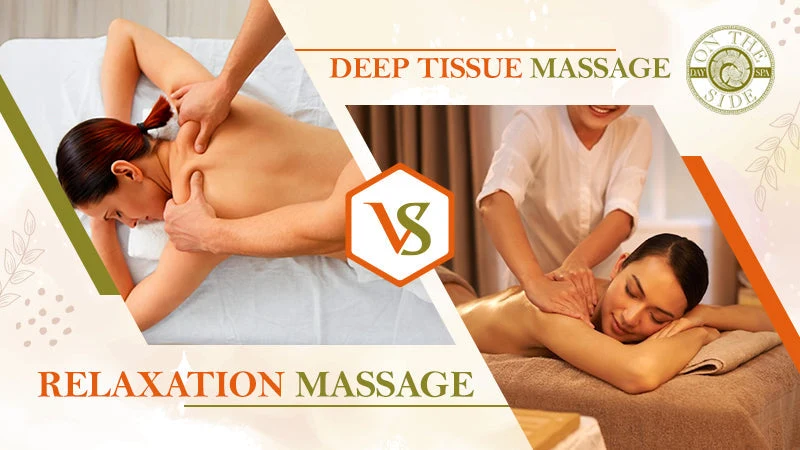
Body to Body vs. Deep Tissue: What Is the Main Difference?
Different approaches to massage technique
Body to body is an oil-based style that uses broad, gliding contact, often through the forearms and controlled body weight. Deep tissue relies on concentrated pressure from the hands, thumbs, forearms, or elbows applied to specific muscle areas. One is about the overall flow of the session, the other is about precision.
How pressure and movement typically differ
Body to body usually builds pressure gradually with long, continuous strokes, while deep tissue uses slower, firmer pressure held on a spot. Neither is automatically stronger: body to body can be light or moderate, and deep tissue is generally the firmer of the two. Both should be adjustable to your preference.
Relaxation-focused experience vs. targeted pressure
Body to body is often chosen for a calm, immersive wind-down. Deep tissue is more often chosen by people who carry tension in particular areas, such as shoulders, neck, or lower back, and want it addressed directly. Many people enjoy both at different times.
How Body to Body Massage Works
Flowing movements and controlled body contact
The therapist uses long gliding strokes with a higher degree of contact than a hand-only massage. The movement is steady and deliberate, so the session feels continuous rather than segmented. How it is delivered can vary by therapist.
The role of oil and pace
Oil allows smooth movement and even pressure, and the pace is usually slow. That is a large part of why guests describe it as immersive. Let the therapist know about any skin sensitivity or oil allergy beforehand.
Communication about comfort and pressure
Because the contact is broader, it helps to speak up early about pressure, pace, and areas you prefer to avoid. A good therapist checks in during the session and adapts. Our benefits and techniques guide explains the approach in more depth.
How Deep Tissue Massage Works
Slower and more focused pressure
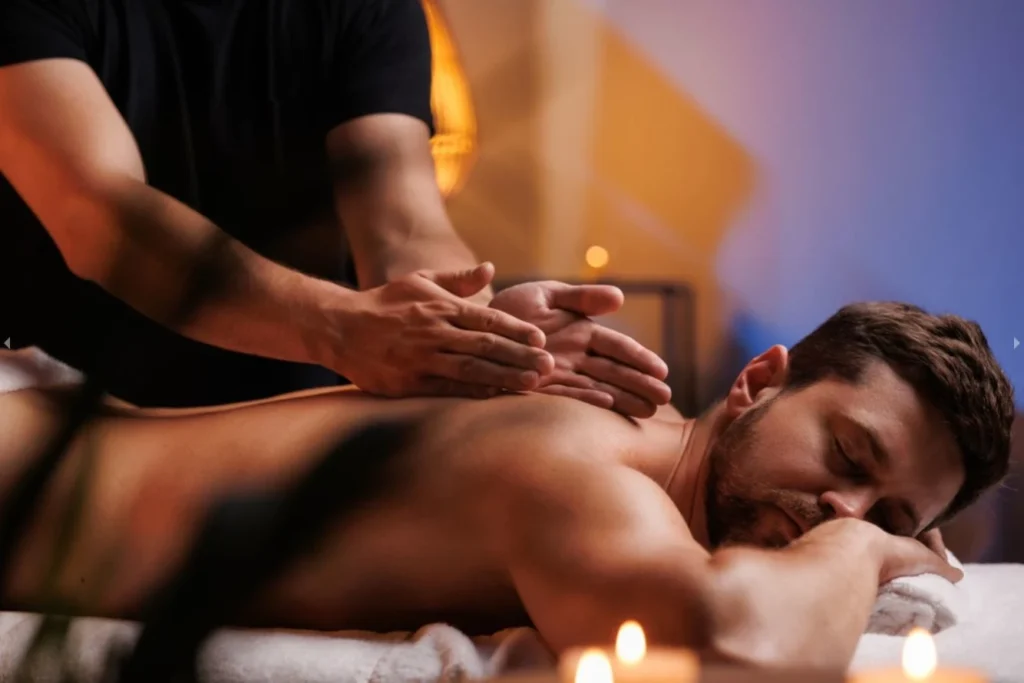
Deep tissue uses slow strokes and sustained pressure to reach the deeper layers of muscle. The aim is to work on specific areas rather than the whole body evenly. It is usually slower and more deliberate than a relaxation massage.
Working on areas of everyday muscle tension
Typical focus areas are the upper back, neck, shoulders, hips, and legs, where desk work, driving, or exercise can leave tightness. If you prefer a lighter whole-body style instead, a Swedish massage may suit you better.
Why communication about pressure is important
Deep tissue can feel intense, but it should stay within what you can comfortably tolerate. Say so if pressure becomes too strong, because pushing through sharp pain is not the goal. Good communication leads to better results and a safer experience.
Which Massage Experience Are You Looking For?
When you prefer a slower, immersive massage
If you want a gentle, continuous session to switch off at the end of a long day, body to body is the better fit. It suits people who value atmosphere and flow over pinpoint work.
When you prefer firmer, targeted pressure
If you have specific tight spots that you want focused attention on, deep tissue is the more direct choice. It suits active people and desk workers who know where they hold tension.
Choosing based on personal comfort and expectations
Think about how much contact you are comfortable with and how firm you like pressure. If you are unsure, start with the style that matches your comfort level and adjust next time. You can also ask the team to recommend one based on your needs.
Body to Body vs. Deep Tissue: Comparing Session Factors
| Factor | Body to Body | Deep Tissue |
|---|---|---|
| Main focus | Flowing, whole-body experience | Targeted work on specific areas |
| Typical pressure | Light to moderate, adjustable | Firm, sustained, adjustable |
| Oil use | Central to the style | Often used, less central |
| Pace | Slow and continuous | Slow and deliberate |
Pressure level
Deep tissue is generally firmer, but both styles are adjustable. State your preferred level at the start and revise it during the session if needed.
Movement and massage pace
Body to body has a continuous, gliding rhythm, while deep tissue pauses and sinks into specific spots. This changes how the session feels moment to moment.
Typical treatment duration
Sixty minutes is a common baseline for both, with 90 minutes allowing a slower or more detailed session. Choose the length based on whether you want whole-body coverage or focus on a few areas.
What the session environment may feel like
Body to body often feels more enveloping and calm, while deep tissue feels more purposeful and focused. Both should take place in a clean, private, professional setting.
Both Options in Juffair, Bahrain
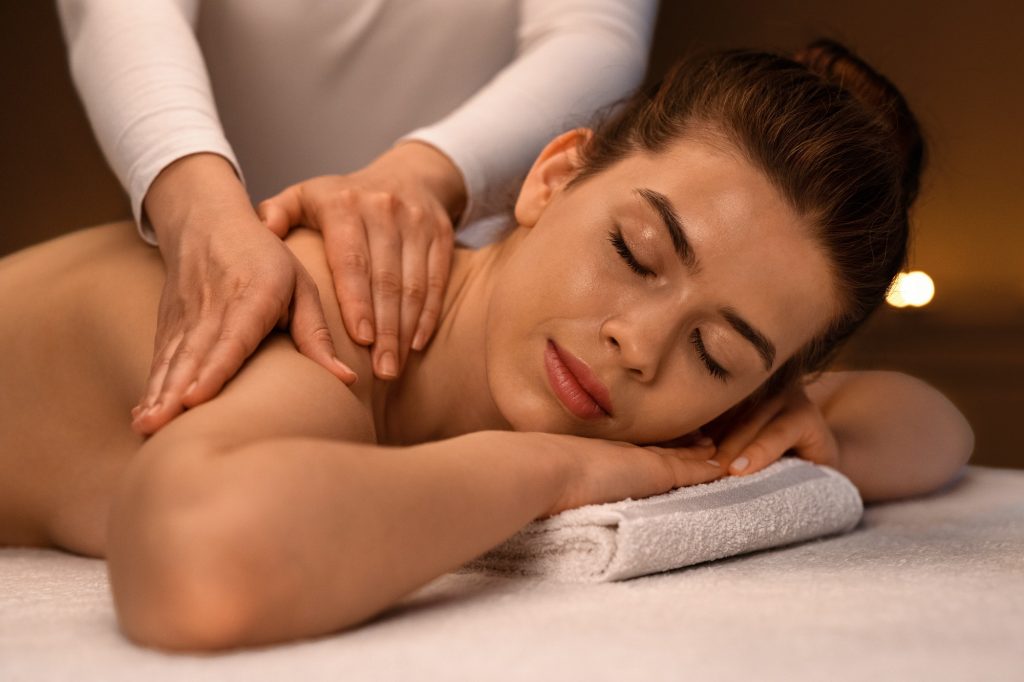
Finding massage services around Juffair
Juffair has a wide choice of massage venues because of its many hotels and apartments. Our massage in Juffair guide explains what to look for.
Booking a session at Lotus Massage
Book by phone or WhatsApp, choosing the style, duration, and time. Mention your preferred pressure so the team can match you to the right session.
Options for Bahrain residents, hotel guests, and visitors
Residents can visit the Juffair center, while hotel guests and visitors can also request an in-room session through our home and in-room massage service, subject to availability. For firmer work at your location, see our deep tissue home massage option.
Massage Prices & Booking in Bahrain
How treatment type and duration affect price
Duration is usually the biggest factor, with treatment type sometimes making a difference. Our body to body massage price guide breaks this down.
Comparing equivalent session lengths
Compare 60 minutes with 60 minutes across both styles and across venues. The Bahrain massage and spa price hub gives broader reference ranges.
Checking current Lotus Massage availability
Confirm availability and the current rate when you book, as both can change.
Home and in-room massage options
If you prefer not to travel, ask whether your chosen treatment is available at your accommodation, and confirm any travel charge.
What to Expect From Your Chosen Massage
Discussing your preferred pressure before the session
Tell the therapist whether you want light, medium, or firm pressure, and mention any injuries, allergies, or areas to avoid. This short conversation shapes the whole session.
Communicating during the treatment
Speak up if you want more or less pressure or a change in pace. Therapists expect this and adjust.
Adjusting the session when something feels uncomfortable
If anything feels uncomfortable, whether it is pressure, position, or contact, tell the therapist right away. A professional will adapt or stop. You are always in control of the session.
Post-session considerations
Drink water and take a few minutes before standing up. After deep tissue work in particular, mild tenderness can occur, so avoid heavy exercise straight afterwards and speak to a doctor if discomfort persists.
FAQ: Body to Body vs Deep Tissue Massage
Is body to body massage stronger than deep tissue massage?
Not usually. Deep tissue is generally the firmer style, while body to body is often lighter to moderate and focused on flow. Both can be adjusted to your preference.
Which massage is more relaxing?
Many people find body to body more relaxing because of its slow, continuous pace, though some find deep tissue relaxing once tension eases. It depends on your preference.
Is deep tissue massage always painful?
No. It can feel intense, but it should not be sharply painful. If it is, ask for lighter pressure.
Can I change my preferred pressure during a session?
Yes. Tell the therapist at any time and they will adjust.
How long should each massage session last?
Sixty minutes is a common starting point, and 90 minutes suits a slower or more detailed session. For other common questions, see our body to body massage FAQ.
How do I choose between body to body and deep tissue massage?
Choose body to body for a slow, immersive session and deep tissue for firm, targeted work on specific areas. If you are unsure, tell the team what you want from the session and ask for a recommendation.
If you are still deciding, Lotus Massage Bahrain can help you match a treatment to your preferences, in Juffair or at your accommodation. Book your session today and tell us the pressure and duration you prefer.